

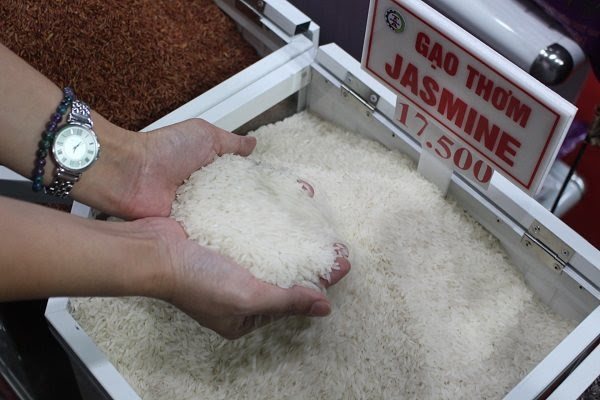
Vietnam has recorded a remarkable growth in rice exports in the first quarter of 2023, according to the latest data from the General Department of Customs. The country shipped 1.7 million tonnes of rice worth over US$900 million abroad, up 19 per cent in volume and 30 per cent in value year-on-year.
The Mekong Delta, Vietnam’s rice bowl, contributed most of the exported rice, while other rice-producing regions mainly supplied the domestic market. The Ministry of Industry and Trade (MoIT) said that Vietnamese rice has improved its quality and competitiveness in recent years, attracting more demand from foreign buyers.
The Mekong Delta is expected to produce 24 million tonnes of rice this year, of which 13 million tonnes will be available for export. The export volume includes 3 million tonnes of high-quality rice, 2.1 million tonnes of specialty rice, and 1 million tonnes of ordinary rice.
The MoIT forecasted that Vietnamese rice will continue to enjoy high demand in the second quarter of 2023, especially from major markets such as the Philippines, China, and Africa. Despite the global economic downturn, Vietnamese rice has secured good prices on the international market as many countries have increased their food reserves amid the uncertainty caused by the pandemic.
Additionally, Vietnam has benefited from several free trade agreements that have reduced or eliminated tariffs on its rice exports. For instance, the European Union-Vietnam Free Trade Agreement (EVFTA) has slashed tariffs on Vietnamese rice by up to 175 euros per tonne, giving it an edge over other competitors in the European markets.
As the demand for rice rises, exporters are seeking to buy more rice from farmers to optimize their production and profit. However, some exporters have faced difficulties in accessing capital and lowering logistic costs. The MoIT said it has been coordinating with exporters to address these issues and facilitate their trade activities with foreign partners.
The ministry also stressed the need to monitor the export volume of rice to ensure food security and balance the domestic and foreign markets. It advised exporters to diversify their products and markets and enhance their branding and marketing strategies to boost their reputation and sales.
Related
Source: Vietnam Insider