

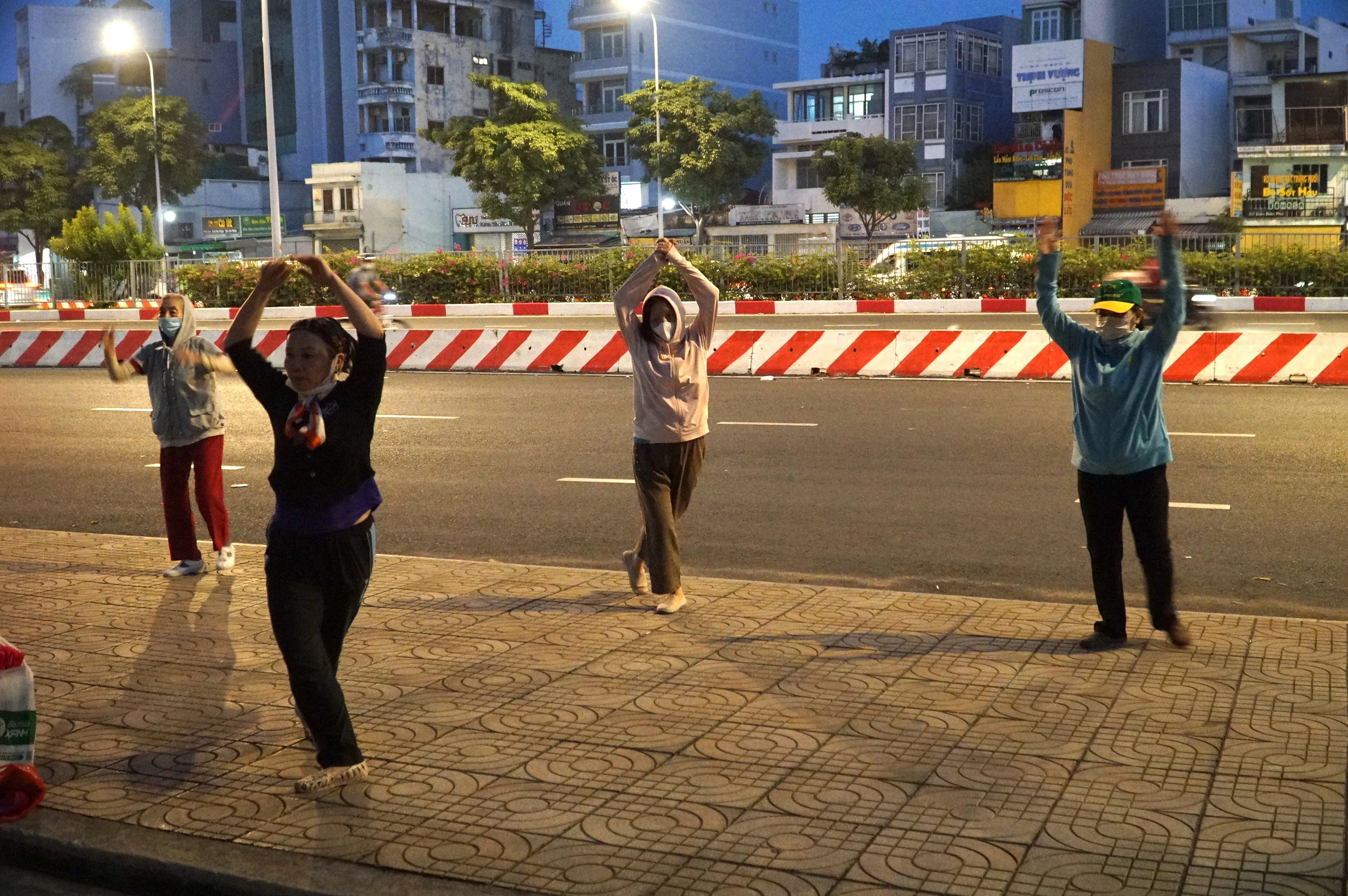
Residents of Ho Chi Minh City woke up to an unfamiliar sensation today. Genuine cold. In a city known globally for tropical heat, temperatures dropped to levels never recorded before.
According to the Southern Regional Hydrometeorological Center, the temperature at Nha Be station fell to 17.8°C, breaking the previous record low of 18.9°C set in 2013 and again in 2025. At Tan Son Nhat Airport, the temperature dipped to 18°C. In nearby areas, readings were even lower, including 16.9°C at So Sao and 19.5°C in Vung Tau, also a historic low.
Because meteorological stations measure temperature under standardized conditions, the actual temperature felt by residents may have been 1 to 2°C colder, explaining the sight of locals bundled up in jackets and scarves.
Is this cold snap abnormal?
Meteorologists say no. Rare, but not abnormal.
Le Dinh Quyet, head of forecasting at the Southern Regional Hydrometeorological Center, explained that January is typically the coldest month of the year in Vietnam. Cold air from the Asian continent often reaches its strongest intensity between late December and early January, sometimes extending into February or even March during certain years.
What makes this year stand out is not the timing, but the strength and persistence of the cold.
The role of La Niña
The key factor behind the record breaking chill is La Niña.
Vietnam is currently under the influence of a La Niña phase, which strengthens continental high pressure systems over East Asia. These systems push cold air masses further south and keep them in place longer than usual.
As a result, southern Vietnam, including Ho Chi Minh City, is experiencing colder and drier conditions than residents typically expect. According to meteorologists, this pattern follows known climate behavior during La Niña years.
In simple terms, the cold is unusual in recent memory, but it is still consistent with long term climate rules.
What to expect next
Forecasts suggest southern Vietnam will likely see additional cold spells through the rest of January, with nighttime temperatures potentially dropping below 18°C again.
For the next few days, weather conditions in Ho Chi Minh City and across the southern region are expected to remain stable. Skies will be mostly clear, rainfall minimal, and daytime temperatures steady, with highs between 29 and 32°C. Early mornings may bring light fog in some areas.
Meteorologists also warn that the dry air increases fire risk, particularly during midday and afternoon hours.
Why this matters
For international visitors, investors, and expatriates, the cold snap is a reminder that Vietnam’s climate is more complex than its tropical reputation suggests. Seasonal extremes, influenced by large scale climate patterns, can affect everything from daily life and energy use to agriculture and logistics.
In Ho Chi Minh City, however, the immediate impact is simpler. A historic cold morning, a rare chance to wear a jacket, and a brief glimpse of winter in a city that almost never sees it.
Related
Discover more from Vietnam Insider
Subscribe to get the latest posts sent to your email.
Source: Vietnam Insider