

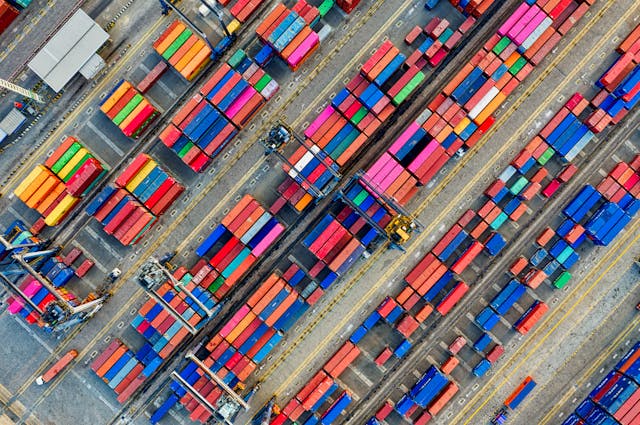
Export–import milestone lifts the country into the world’s top 15 trading nations, reinforcing its role in global supply chains.
Vietnam is on the cusp of a historic trade milestone, with total export–import turnover projected to exceed USD 900 billion for the first time, underscoring the country’s growing weight in global commerce despite an increasingly volatile international environment.
Speaking at the Ministry of Industry and Trade’s year-end review on December 19, Deputy Minister Phan Thị Thắng said global uncertainties continue to pose significant challenges to economic stability. Even so, Vietnam’s external trade has emerged as a standout performer, providing a critical anchor for growth.
As of December 15, Vietnam’s total trade turnover had reached USD 883.7 billion. The figure is expected to climb to around USD 920 billion by the end of 2025, officially placing Vietnam among the world’s top 15 economies by trade volume. The achievement marks a new launchpad for long-term economic expansion and deeper integration into global markets.
Exports are estimated to exceed USD 470 billion this year, up 16 percent from 2024. Vietnam has now maintained a trade surplus for ten consecutive years since 2016, helping stabilize foreign exchange inflows, ease pressure on the currency, and strengthen national reserves.
At the same time, policymakers acknowledge structural vulnerabilities beneath the headline numbers. Export growth remains heavily driven by foreign-invested enterprises, leaving Vietnam exposed to shifts in global supply chains and trade defense measures. Dependence on a small number of major markets, along with risks related to origin fraud and anti-dumping investigations, continues to weigh on the sustainability of growth. Domestic market development and e-commerce, while improving, have yet to fully realize their potential.
Vietnam’s trade expansion over the past decade and a half has been rapid and transformative. From just USD 100 billion in total trade turnover in 2009, the figure has grown ninefold in 16 years. The number of export products generating over USD 1 billion annually has risen sharply, from 10 items in 2007 to 36 today. Export destinations have also diversified, with the number of markets exceeding USD 1 billion in trade increasing from 27 in 2013 to 35 by the end of last year.
The broader industrial and commercial landscape has strengthened in tandem. Industrial production is estimated to have grown by 9.5 percent in 2025, outperforming last year’s 8.2 percent. Vietnam has signed four additional free trade agreements, bringing the total to 17 FTAs covering 65 countries and territories. The domestic market has expanded by 9–10 percent, while the e-commerce sector has surpassed USD 30 billion in value for the first time. Vietnam has also retained its position as the world’s 32nd most valuable national brand.
Addressing the conference, Prime Minister Phạm Minh Chính reiterated Vietnam’s ambition to achieve double-digit economic growth in the coming period. He called on the industry and trade sector to target growth above 10 percent by revitalizing traditional drivers such as exports and consumption while accelerating the development of new engines of growth.
The Prime Minister emphasized the importance of market diversification, urging trade missions abroad to focus on niche markets and align exports with real demand rather than domestic supply alone. He also highlighted the need to draw lessons from past loss-making projects to strengthen governance, prevent corruption and waste, and protect consumers from counterfeit goods that threaten public health.
As Vietnam approaches the USD 1 trillion trade threshold, the challenge ahead will be to convert scale into resilience—ensuring that rapid expansion is matched by diversification, value creation, and sustainable competitiveness in an increasingly fragmented global economy.
Related
Discover more from Vietnam Insider
Subscribe to get the latest posts sent to your email.
Source: Vietnam Insider