

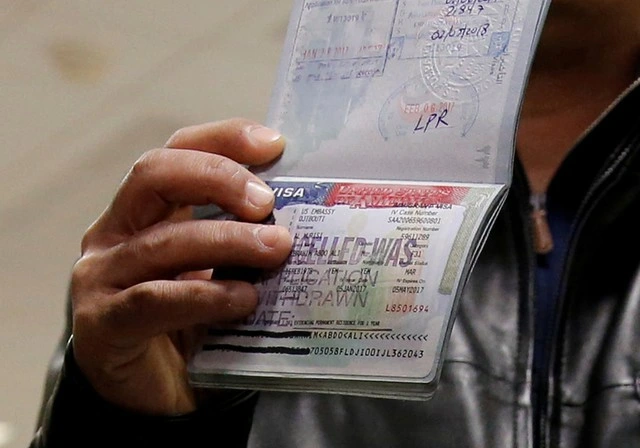
The U.S. government has issued new guidance potentially affecting foreign nationals with certain health conditions, including obesity and diabetes, when applying for visas.
On November 7, the U.S. Department of State instructed embassies and consulates worldwide to consider denying visas to applicants who might become a “public charge” due to age or health-related factors, according to ABC News. The guidelines focus on medical conditions that could require extensive or costly medical care, which the U.S. government may need to provide.
“Medical conditions such as heart disease, respiratory illness, cancer, diabetes, metabolic disorders, neurological conditions, and mental health issues may trigger additional scrutiny,” the State Department cable stated.
Consular officers are encouraged to assess whether applicants have sufficient access to private medical care without relying on U.S. public benefits. Obesity, in particular, may be flagged due to associated risks like sleep apnea, asthma, and hypertension, which could require prolonged treatment. Family members, including children or elderly dependents, may also be considered when evaluating potential public health or financial burdens.
Applicants must undergo a medical examination by a physician approved by the U.S. embassy, report any past illnesses, substance use, or behavioral issues, and provide proof of required vaccinations such as measles, polio, and hepatitis B.
Legal experts note that while the guidance broadly applies to all visa applicants, it is primarily relevant for those seeking permanent residency. The State Department has not publicly commented on the new policy.
Related
Discover more from Vietnam Insider
Subscribe to get the latest posts sent to your email.
Source: Vietnam Insider