

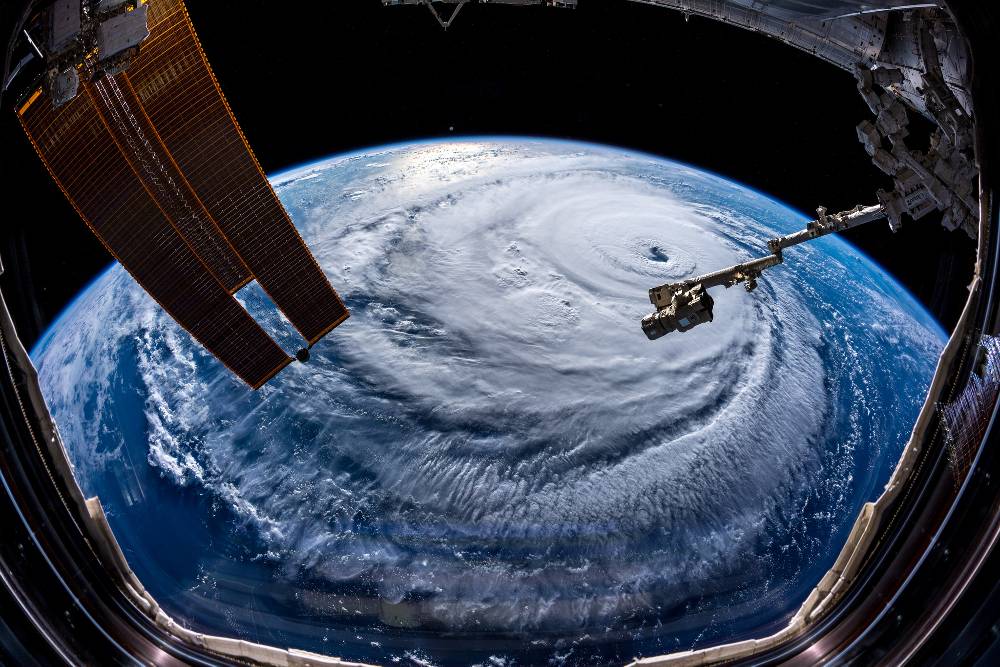
HOI AN, Nov 6 (Vietnam Insider) — Typhoon Kalmaegi slammed into Vietnam’s central coast on Thursday, bringing destructive winds, torrential rain, and massive waves just two days after leaving at least 114 people dead in the Philippines.
Packing winds of up to 149 kilometers per hour (93 mph), Kalmaegi tore through homes, toppled trees and power poles, and generated waves as high as 10 meters (30 feet) along Vietnam’s coastline, according to the National Center for Hydro-Meteorological Forecasting.
Authorities canceled hundreds of flights, shut down six airports, and ordered residents to remain indoors as the 13th — and one of the strongest — storms to hit Vietnam this year made landfall.
More than 260,000 people were evacuated in Gia Lai province, and the government deployed 268,000 soldiers and emergency workers for rescue and recovery efforts. Officials warned of widespread flooding across low-lying coastal regions and potential damage to crops in the Central Highlands, Vietnam’s vital coffee-growing belt.
Central Vietnam on Alert
In Hoi An, a UNESCO World Heritage town, hotels and homes along Cua Dai Beach were shuttered ahead of the storm. Farther north in Hue, communities already reeling from earlier floods that killed 47 people were bracing for renewed devastation.
Rice farmer Nguyen Van Rin, 42, from the outskirts of Hue, described his fears as floodwaters rose again.
“The last floods drowned my livestock and poultry. Kalmaegi will flood us for the fourth time, and I’m afraid this one will be worse,” he said while steering his small boat through submerged roads.
Kalmaegi made landfall after crossing the South China Sea from the Philippines, where it first struck the island province of Cebu, flattening homes, flipping vehicles, and blocking roads with debris.
Trail of Destruction in the Philippines
In Cebu, authorities on Thursday began the grim task of clearing wreckage and searching for the 127 people still missing. Floodwaters had submerged entire neighborhoods, and relief operations were hampered by impassable roads and mountains of debris.
“The challenge now is debris clearing,” said Raffy Alejandro, a senior civil defense official. “We need to clear these areas immediately — both to find the missing and to deliver aid.”
The devastation came just weeks after a 6.9-magnitude earthquake struck Cebu, killing dozens and displacing thousands. The Philippines, one of the world’s most disaster-prone nations, has now endured 20 storms in 2025, with meteorologists warning that another typhoon is forming east of Mindanao, potentially striking the archipelago next week.
“My Children Have Nothing”
In Talisay City, near Cebu, residents returned home to find only rubble.
“Everything was destroyed. Only the flooring remained,” said Liza Becus, a mother of seven, as she sifted through what was left of her shack. “My children have nothing — no uniforms, no bags, nothing. Everything was washed away.”
As Kalmaegi barrels westward through Vietnam, emergency officials are racing to prevent a humanitarian crisis. The government has warned of continued heavy rainfall, flash floods, and landslides through the weekend, while coastal provinces brace for potential disruptions to coffee exports and port operations.
The storm’s twin impact — a deadly blow to the Philippines and a major test for Vietnam’s disaster preparedness — underscores once again the region’s growing vulnerability to climate-related superstorms, which are increasing in both frequency and intensity across Southeast Asia.
Related
Discover more from Vietnam Insider
Subscribe to get the latest posts sent to your email.
Source: Vietnam Insider