

HO CHI MINH CITY, Nov 3 (Vietnam Insider) — Vietnam’s southern metropolis is in the midst of a tourism surge, drawing nearly 6.6 million international visitors in the first ten months of 2025 — an 18% increase year-on-year — as the city eyes a full-year target of 10 million foreign arrivals and total tourism revenue of nearly USD 11.5 billion (VND 290 trillion).
The recovery underscores Ho Chi Minh City’s role as the nation’s economic and cultural gateway. October alone saw 705,000 international travelers and 3.9 million domestic tourists, reflecting both renewed global demand and stronger domestic mobility. Total receipts for the first ten months reached roughly USD 8.2 billion, up 22% from 2024, achieving 72% of the city’s annual revenue goal.
Industry analysts attribute the momentum to diversified tourism products, the return of long-haul markets from Europe and North America, and new travel behavior among post-pandemic consumers.
“This growth isn’t surprising — we’re entering Vietnam’s international high season from October through April,” said Tran Thi Bao Thu, Marketing Director at Vietluxtour. “Travelers from colder regions are escaping winter to seek warmth and culture in Southeast Asia, and Ho Chi Minh City ranks among their top choices.”
A Gateway City Redefining Its Role
Once viewed primarily as a transit point to the Mekong Delta or coastal resorts, Ho Chi Minh City is increasingly becoming a stand-alone destination. With its mix of colonial heritage, culinary diversity, and energetic nightlife, the city is now extending visitor stays and expenditure.
“Ho Chi Minh City benefits from its multi-layered appeal — aviation connectivity, nearby beaches, vibrant street food, and favorable weather,” said Pham Anh Vu of Viet Tourism. “It’s not just a hub; it’s an experience.”
This shift aligns with regional trends. Data from the ASEAN Secretariat and Vietnam’s National Tourism Administration show Vietnam leading Southeast Asia in post-pandemic tourism recovery through the first nine months of 2024, reinforcing the country’s rising status on the global travel map.
 100vw, 750px”></p>
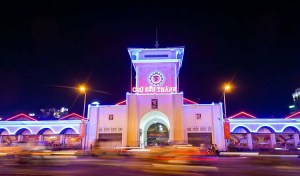
<p id=) Ben Thanh Market is a large marketplace in central Ho Chi Minh City, Vietnam in District 1. The market is one of the earliest surviving structures in Saigon and an important symbol of Ho Chi Minh City, popular with tourists seeking local handicrafts, textiles, ao dai and souvenirs, as well as local cuisine.
Ben Thanh Market is a large marketplace in central Ho Chi Minh City, Vietnam in District 1. The market is one of the earliest surviving structures in Saigon and an important symbol of Ho Chi Minh City, popular with tourists seeking local handicrafts, textiles, ao dai and souvenirs, as well as local cuisine.
Changing Traveler Profiles and Rising Standards
Beyond the headline numbers, the structure of demand is evolving. Tour operators report that European, American, Australian, and Northeast Asian travelers are less bound by seasonality and spending more on mid- to high-end services. Vietluxtour’s inbound volume is up 35% year-on-year, with most guests opting for three- to five-star hotels and bespoke cultural itineraries.
“Foreign visitors today are looking for authenticity, not just luxury,” Thu added. “They want tailored experiences, cultural immersion, and service quality that matches what they’re willing to pay.”
This trend is driving upgrades across the city’s hospitality sector — from hotel standards to staff training. Tour companies are investing heavily in service quality, language skills, and local cultural knowledge to stay competitive.
Experience-Driven Growth and the Rise of the Night Economy
Ho Chi Minh City’s tourism department has revised its targets upward for the final quarter, aiming for 10 million international and up to 50 million domestic visitors by year-end. To achieve this, operators are launching “experience-centric” and “night-time economy” products designed to keep travelers engaged after dark.
At Vietluxtour, preparations for the holiday high season began in the third quarter. The firm is intensifying quality inspections and staff retraining to meet rising international expectations. Meanwhile, Viet Tourism is expanding community-based tours that allow visitors to “live like a local” — exploring Saigon’s historic districts by vintage car or motorbike, dining at late-night food streets such as Vinh Khanh and Ho Thi Ky, and hearing the stories behind each dish.
Another growth driver is MICE tourism (Meetings, Incentives, Conferences, and Exhibitions), which targets corporate travelers with high spending power. The city’s increasing calendar of global business and cultural events is helping travel firms capture this lucrative segment.
Competing with Asia’s Tourism Powerhouses
To strengthen its international competitiveness, Ho Chi Minh City is betting on distinctive cultural experiences and a revitalized nightlife scene. Signature offerings such as Christmas River Festivals and Saigon dinner cruises are being promoted as part of a broader strategy to rival regional tourism magnets like Bangkok and Singapore.
As the city moves closer to its 10-million-visitor milestone, industry insiders say the challenge ahead is not only attracting tourists but also keeping them longer — and ensuring every stay in Saigon tells a story worth coming back for.
Related
Discover more from Vietnam Insider
Subscribe to get the latest posts sent to your email.
Source: Vietnam Insider