

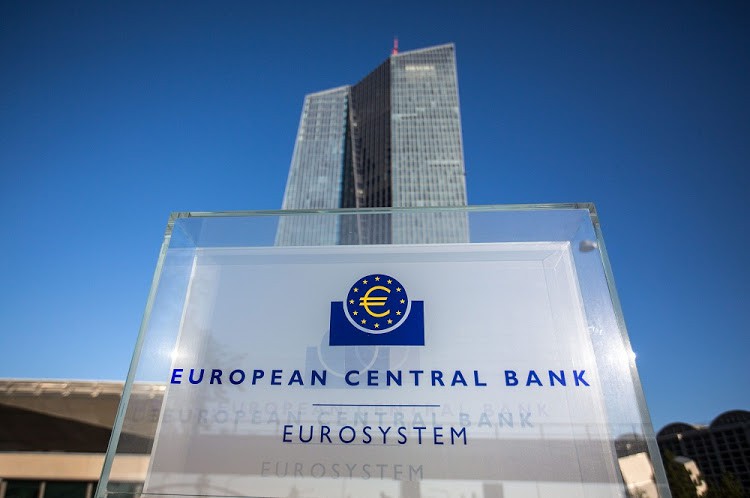
Vietnam Insider | September 11, 2025 – The European Central Bank (ECB) has decided to keep its benchmark interest rate unchanged at 2% for the second consecutive time, reflecting cautious sentiment in the face of global economic uncertainty—particularly surrounding U.S. import tariffs.
Following its policy meeting on September 11, the ECB stated that inflation across the eurozone remains close to its 2% target, with little change in the outlook. “The Governing Council’s assessment of the inflation outlook is largely unchanged,” the ECB noted, signaling that its decision aligned with investor expectations.
The current rate was set in June 2025 after eight consecutive rate cuts since mid-2024, as the ECB sought to stimulate growth amid tepid economic performance. However, the central bank is now adopting a data-dependent approach, emphasizing flexibility and refraining from forward guidance on future rate moves.
Economic Headwinds from U.S. Tariffs
The ECB’s cautious stance comes as the eurozone faces mounting uncertainty from trade tensions with the United States. Although the European Union (EU) recently signed a trade agreement with the U.S. that included a reciprocal 15% tariff framework, unresolved disputes—such as levies on wine and spirits—continue to create friction.
Investor concerns were further heightened after U.S. President Donald Trump threatened retaliation against the EU for a €3.45 billion ($3.7 billion) antitrust fine imposed on Google. Washington’s aggressive trade posture has fueled volatility in transatlantic economic relations, putting pressure on both investment and exports.
The U.S. remains the EU’s largest trade and investment partner, with European exports to the U.S. totaling €503 billion ($590 billion) in 2024. Yet, despite this strong economic linkage, growth in the eurozone has been sluggish. In Q2 2025, the euro area’s GDP grew by only 0.1%, down significantly from 0.6% in Q1.
Lagarde: Growth Pressures Will Ease in 2026
At the post-meeting press conference, ECB President Christine Lagarde acknowledged that the inflation outlook remains uncertain amid a volatile global trade environment. She pointed to several headwinds—including high import tariffs, a strengthening euro, and intensified global competition—that may continue to constrain the bloc’s economic growth through the end of the year.
However, Lagarde remained cautiously optimistic, forecasting that the negative impacts from these challenges are expected to subside in 2026.
Outlook
With inflation stable but growth fragile, the ECB is likely to maintain a wait-and-see approach in the coming months. Investors will be closely watching upcoming data and policy shifts, particularly any escalation in U.S.-EU trade tensions or changes in the global interest rate landscape.
As Europe navigates this uncertain path, the central bank’s commitment to data-driven decision-making may offer some reassurance—but significant risks to growth and investor sentiment remain.
Stay updated with Vietnam Insider for more insights on global economic trends and their impact on Vietnam and the ASEAN region.
Related
Discover more from Vietnam Insider
Subscribe to get the latest posts sent to your email.
Source: Vietnam Insider