

From royal-inspired Buddhist cuisine to modern vegan dining, British travel writer Daniel Stables embarked on a flavorful journey through Hue, discovering why the former imperial capital is often called Vietnam’s vegetarian food capital.
In his feature for National Geographic UK (August issue), Stables recounted his early-2025 visit with local guide Quoc Dung, exploring Hue’s unique blend of imperial history, Buddhism, and plant-based culinary traditions.
A Royal Legacy of Vegetarian Cuisine
As the seat of the Nguyen Dynasty, Hue was famous for its luxurious court life. Kings such as Minh Mang and Khai Dinh demanded meals with up to 50 dishes, pushing palace chefs to constant innovation. Despite their opulence, Nguyen emperors were devout Buddhists who practiced vegetarianism on sacred days, giving rise to an elaborate style of royal vegetarian cuisine unmatched in Vietnam.
Today, this heritage shapes Hue’s identity as a hub for vegetarian and vegan travelers. “Whether Hue is Vietnam’s overall food capital may be debated, but when it comes to vegetarian food, it absolutely is,” guide Dung told Stables.
Markets, Street Food, and “Happy Pancakes”
Exploring Hue’s vibrant markets, Stables tasted local specialties like mit kho (braised jackfruit) and crispy vegetarian banh xeo, nicknamed “happy pancakes” for their smiling crescent shape. At Dong Ba Market, he was struck by the abundance of fresh produce—spiky bitter melons, fragrant galangal, lotus seeds, and clusters of green peppercorns.
The lively mix of motorbikes, street vendors, and sizzling food stalls showcased how vegetarian culture is woven into daily life, especially on Buddhist fasting days, when most restaurants switch to meat-free menus.
Learning Hue’s Vegan Cooking Secrets
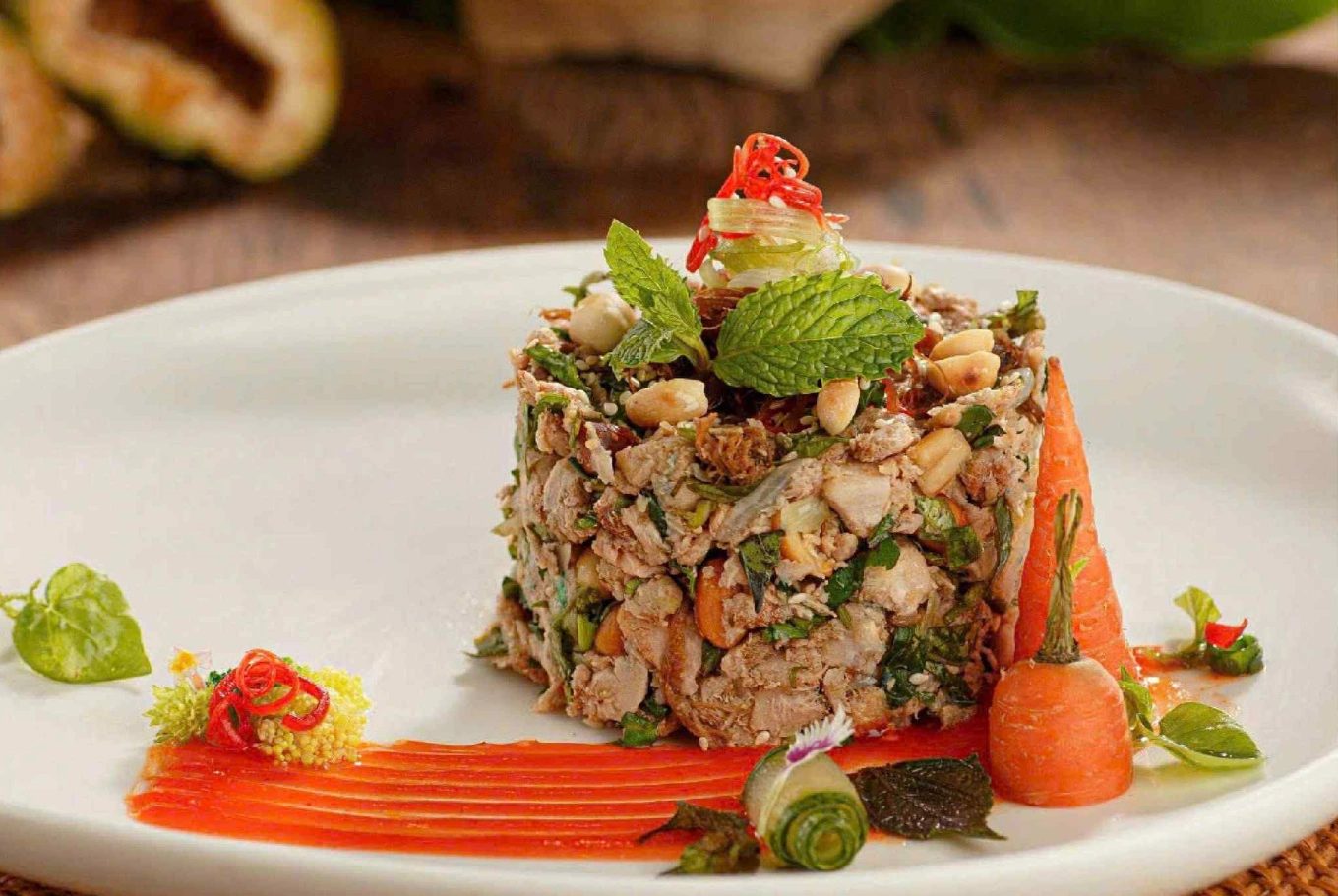
To deepen his experience, Stables joined a cooking class at An Nhien Garden, a renowned vegetarian restaurant housed in a 16th-century family home. Using organic local ingredients, chef Nguyen Thi Thuy Nhien guided guests in preparing goi va (fig salad)—a refreshing royal dish of figs, mushrooms, and carrots seasoned with soy sauce.
“Traditionally, Hue people ate vegetarian food for Buddhist occasions, but we now focus more on health and sustainability,” Nhien explained. She noted the rise of new vegetarian restaurants such as The Garden Cafe and Hong Nga, which promote local organic produce.
Hue – A Rising Destination for Vegan Travel
With its deep Buddhist roots, historic royal cuisine, and modern health-conscious dining, Hue is cementing its status as Vietnam’s leading destination for vegetarian and vegan travelers.
As Stables discovered, eating chay (Vietnamese vegetarian food) in Hue is more than a diet—it’s a cultural journey through history, spirituality, and community.
Related
Discover more from Vietnam Insider
Subscribe to get the latest posts sent to your email.
Source: Vietnam Insider