

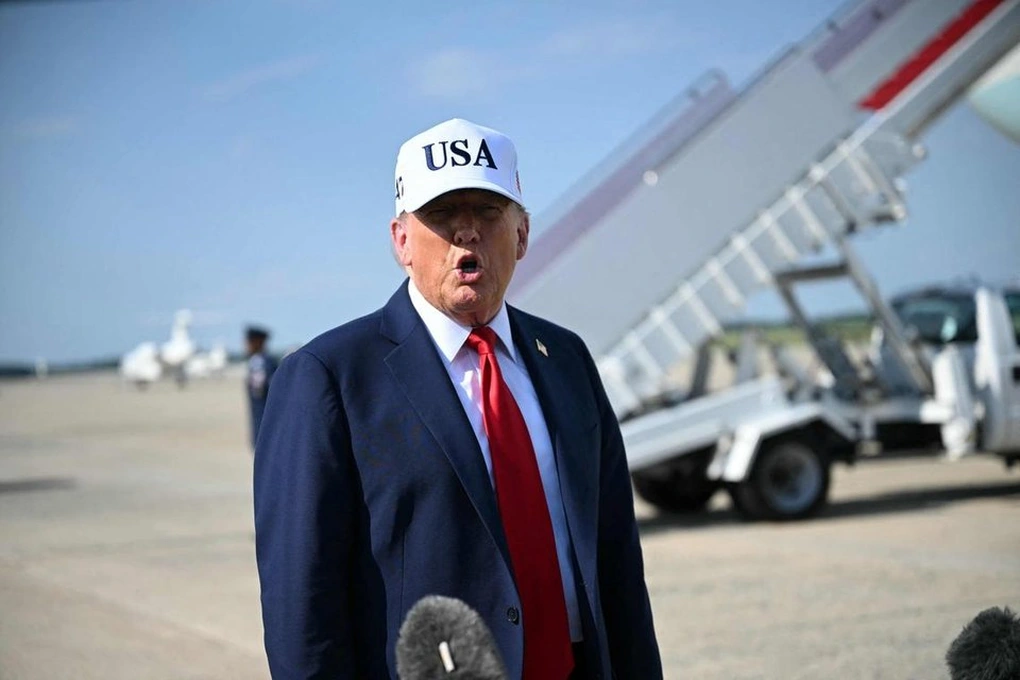
Washington is taking a bold new step that could reshape global trade dynamics. On July 4, U.S. President Donald Trump announced that the United States will begin sending official letters to countries around the world, detailing the tariffs they will face when exporting goods to the American market.
Speaking to reporters on July 3, President Trump acknowledged the complexity of negotiating trade deals with more than 170 nations. According to him, starting today, the U.S. will begin issuing formal tariff notices in batches of ten countries at a time. Each letter will specify the exact tariff rates that will apply to exports entering the United States.
“We have over 170 countries. How many agreements can we realistically reach? These deals are very, very complicated,” the President remarked. He noted that while he hopes to achieve “a few” more detailed agreements with certain nations, he prefers the approach of notifying most countries of clear, specific tariff levels rather than engaging in lengthy, detailed negotiations.
Trump’s comments underscored the significant challenges of securing comprehensive trade deals, not just on tariffs but also on non-tariff barriers, including agricultural import bans. His remarks reflect a shift in strategy toward a more direct, unilateral approach in managing America’s vast trade relationships.
Senior White House officials had previously stated in April that they aimed to finalize 90 agreements in 90 days, an ambitious target that has drawn skepticism from trade analysts who question whether such rapid progress is achievable given the complexities involved.
Meanwhile, Treasury Secretary Scott Bessent said yesterday that around 100 countries are likely to face a standard 10% retaliatory tariff rate. He added that a wave of new trade agreements could be announced ahead of a key July 9 deadline.
The coming days may reveal whether this strategy of direct tariff notifications can deliver the clarity and leverage Washington seeks — or whether it will further complicate an already challenging global trade landscape.
Related
Discover more from Vietnam Insider
Subscribe to get the latest posts sent to your email.
Source: Vietnam Insider