

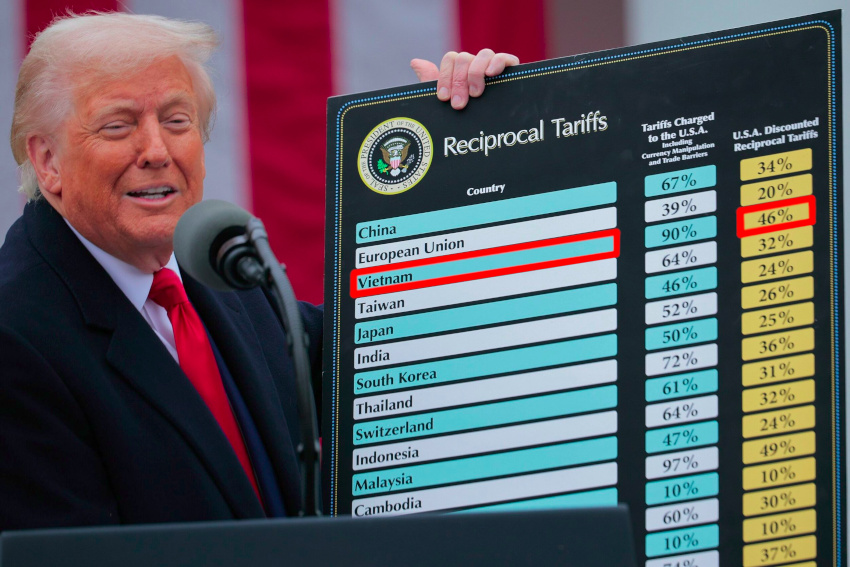
The Trump administration’s top trade officials are no longer seeking a comprehensive agreement with other nations. Instead, they are pursuing phased deals with the most cooperative countries ahead of the July 9 deadline, when President Donald Trump has pledged to reimpose heavy retaliatory tariffs.
According to the Financial Times on July 1, countries that agree to these narrower deals could avoid steeper tariffs, though they would still face the existing 10% duties while negotiations continue on tougher issues. Alongside this new approach, the Trump administration is reportedly considering new tariffs on key sectors.
U.S. Treasury Secretary Scott Bessent stated on June 30 that only President Trump has the authority to extend the deadline for nations that are negotiating in good faith. He added that he expects a series of deals to be signed before July 9.
On the same day, President Trump expressed disappointment over trade talks with Japan and indicated he was ready to impose higher tariffs on the country. He announced plans to formally notify Tokyo of new tariff rates, citing Japan’s reluctance to import U.S. rice as the reason. Japan’s chief tariff negotiator, Ryosei Akazawa, affirmed that Japan would continue working with the U.S. to reach an agreement. However, he warned that maintaining a 25% tariff on Japanese car imports would cause serious harm to Japan’s economy.
Meanwhile, the European Union—another major U.S. trading partner—has signaled willingness to accept the current 10% tariff on many of its exports, but is seeking exemptions for key industries such as pharmaceuticals, semiconductors, and commercial aircraft. According to Bloomberg, the EU is also pushing the U.S. to implement quotas and exceptions to ease tariffs on cars, steel, and aluminum. A potential deal could cover tariff and non-tariff measures, commitments to purchase core U.S. goods, and proposals for additional areas of cooperation. EU Commissioner for Trade and Economic Security, Maros Sefcovic, is expected to visit the U.S. this week to advance negotiations.
Related
Discover more from Vietnam Insider
Subscribe to get the latest posts sent to your email.
Source: Vietnam Insider