

A U.S.-brokered ceasefire by President Donald Trump has momentarily halted the most intense confrontation between Iran and Israel in years. But with tensions still simmering, signs are emerging that the truce may not hold for long.
Just weeks ago, Israel launched a series of strikes on Iranian nuclear and military sites, killing key scientists and commanders. Iran retaliated with long-range missile attacks targeting Israeli cities. The United States later joined the offensive by striking Iranian nuclear facilities. Although the ceasefire agreement paused further escalation, the situation on the ground remains volatile.
Why This Matters
The Iran-Israel conflict is not just a bilateral issue—it threatens to destabilize the broader Middle East, disrupt global energy markets, and entangle global powers. Any renewed military engagement could endanger vital shipping lanes in the Persian Gulf, trigger unrest in countries like Lebanon and Syria, and force the U.S. and its allies into a deeper military commitment in the region.
Here are four signs that point to the possibility of a renewed conflict between Iran and Israel:
1. Iran’s Nuclear Program Remains a Flashpoint
Despite heavy damage from Israeli and U.S. airstrikes, Iran’s nuclear program remains largely intact. According to a recent U.S. Defense Intelligence Agency assessment, the attacks only delayed Iran’s nuclear development by several months, as key underground facilities and centrifuges were not destroyed.
Compounding the concern, the International Atomic Energy Agency (IAEA) reports that Iran has reduced cooperation with inspectors and significantly increased its enriched uranium stockpile, far exceeding previous agreements. For Israel, the persistent nuclear threat and Iran’s growing defiance of international norms could justify renewed military action.
</p>
<p> ” data-medium-file=”https://i0.wp.com/vietnaminsiders.com/wp-content/uploads/2024/10/afp-20241001-36hv2cc-v2-highres-topshotisraellebanonpalestinianconflict-08600909971573024946701-71016389915114818024536.webp?fit=300%2C187&ssl=1″ data-large-file=”https://i0.wp.com/vietnaminsiders.com/wp-content/uploads/2024/10/afp-20241001-36hv2cc-v2-highres-topshotisraellebanonpalestinianconflict-08600909971573024946701-71016389915114818024536.webp?fit=650%2C406&ssl=1″ class=”size-full wp-image-107784″ src=”https://vietnamstar.net/wp-content/uploads/2025/06/iran-and-israel-may-be-headed-back-to-war.jpg” alt width=”650″ height=”406″ srcset=”https://vietnamstar.net/wp-content/uploads/2025/06/iran-and-israel-may-be-headed-back-to-war.jpg 650w, https://i0.wp.com/vietnaminsiders.com/wp-content/uploads/2024/10/afp-20241001-36hv2cc-v2-highres-topshotisraellebanonpalestinianconflict-08600909971573024946701-71016389915114818024536.webp?resize=300%2C187&ssl=1 300w” sizes=”auto, (max-width: 650px) 100vw, 650px”></p>
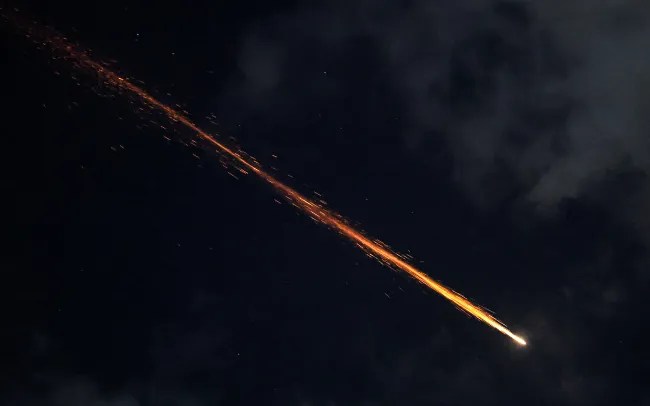
<p id=) An Iranian missile crashed near the city of Baqa al-Gharbiya in northern Israel. (Photo: AFP)
An Iranian missile crashed near the city of Baqa al-Gharbiya in northern Israel. (Photo: AFP)
2. Ceasefire Tensions Already Mounting
The ceasefire itself is showing signs of strain. Israel has accused Iran of continuing missile activity, including a strike that hit a residential building in Beersheba, killing four civilians. Iran claims the missile was launched before the ceasefire came into effect. At the same time, Israeli airstrikes have reportedly targeted Iranian missile facilities, prompting criticism from the White House and calls for restraint.
In northern Iran, several unidentified drones were recently intercepted, raising further questions about potential violations of the truce by covert actors.
3. Covert Warfare on the Rise
Iranian authorities say they have arrested over 700 individuals allegedly involved in a Mossad-linked espionage network. These arrests follow a wave of assassinations, car bombings, and drone strikes inside Iran—operations Tehran attributes to Israeli intelligence.
Iran has responded with public executions of several suspected spies and promised severe retaliation. As these covert operations escalate, so too does the risk of open conflict, particularly if either side crosses a red line.
4. Hostile Rhetoric Leaves Little Room for Diplomacy
Leaders on both sides continue to issue inflammatory statements. Israeli Prime Minister Benjamin Netanyahu called the recent military campaign a “historic victory” and warned that Israel would strike again if Iran resumed nuclear activities. Iranian President Masoud Pezeshkian countered by hailing Iran’s resistance as a “great victory” and reaffirmed the country’s commitment to confronting “Zionist aggression.”
This hardened rhetoric underscores the deeply entrenched positions of both governments and diminishes hopes for de-escalation in the near term.
What Comes Next?
While the ceasefire remains technically in place, its future appears uncertain. Iran insists that its nuclear capabilities remain operational, and Israel has shown a willingness to continue covert and overt military actions. Without a comprehensive and enforceable diplomatic agreement—particularly one that addresses nuclear safeguards and mutual de-escalation—the fragile peace may soon collapse.
President Trump’s administration faces a difficult balancing act: maintaining regional stability while avoiding further escalation. But with both Iran and Israel signaling their readiness to act, the risk of renewed war remains alarmingly high.
Related
Discover more from Vietnam Insider
Subscribe to get the latest posts sent to your email.
Source: Vietnam Insider