

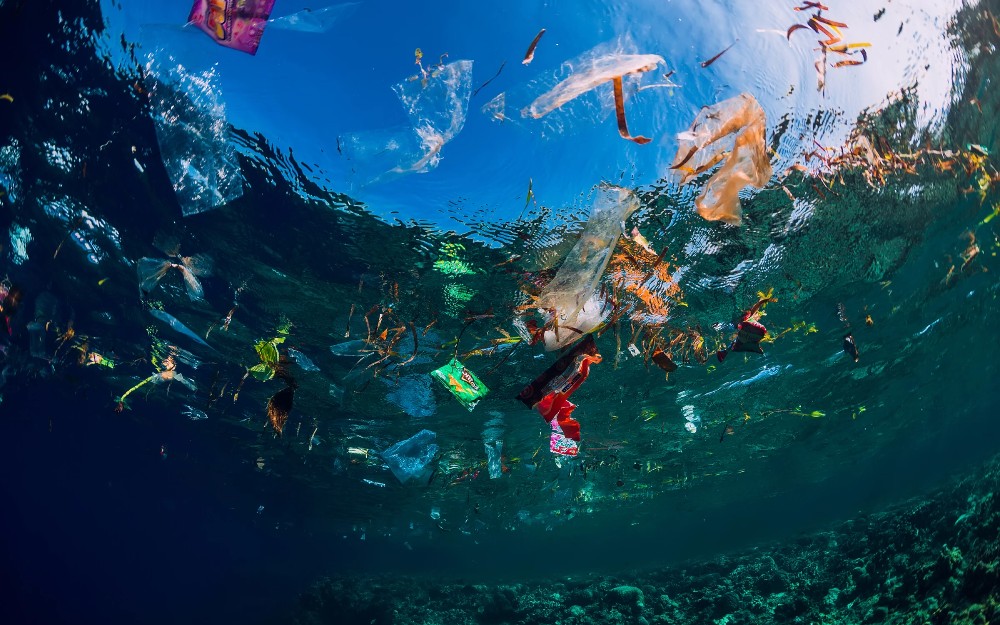
In a major step toward tackling plastic pollution and promoting a circular economy, Vietnam is considering the adoption of a Deposit Return Scheme (DRS) — a system that incentivizes the return of recyclable beverage containers — with support from the Norwegian Embassy in Vietnam and Innovation Norway.
Unveiled during a launch event in Hanoi on June 16, the Scoping Study for a Nationwide DRS in Vietnam outlines how a well-designed scheme could significantly reduce plastic waste, support green job creation, and contribute to Vietnam’s net-zero emissions goal by 2050.
“A Deposit Return Scheme could be a game-changer for Vietnam,” said H.E. Hilde Solbakken, Norwegian Ambassador to Vietnam. “It offers not only environmental benefits but also socio-economic opportunities by stimulating a new recycling industry.”
A Proven Model with Local Potential
Globally, DRS systems have proven successful in over 40 jurisdictions, achieving high recycling rates and reducing the volume of waste entering landfills and natural ecosystems. However, no Southeast Asian country has yet implemented a national DRS for single-use beverage containers—making Vietnam a potential trailblazer in the region.
The study emphasizes that Vietnam will require a DRS tailored to its unique conditions, including beverage market dynamics and existing waste management infrastructure. The report includes detailed technical specifications and policy recommendations to ensure the model’s practicality and effectiveness.
If implemented effectively, the system could: Divert 77,000 tons of packaging waste from landfills annually; Cut 265,000 tons of CO₂e emissions; Create around 6,400 formal jobs and 9,600 freelance employment opportunities in the waste sector
Alignment with National and Global Environmental Goals
The proposed DRS aligns with Vietnam’s Extended Producer Responsibility (EPR) policy and the 2020 Law on Environmental Protection. It also supports the country’s National Action Plan on Marine Plastic Litter Management, which aims to reduce marine plastic waste by 75% by 2030.
“For Norway, clean and healthy oceans are a national priority and a global responsibility,” noted Ambassador Solbakken. “As a maritime nation, we have committed over $200 million to tackle marine litter and microplastics, with Vietnam as a key partner in these efforts.”
The Ambassador emphasized that DRS operationalizes the “polluter pays” principle under EPR, ensuring that private companies are held accountable for the lifecycle of their products. In Norway, Producer Responsibility Organizations (PROs) are mandated to manage EPR and DRS frameworks, setting a model of public-private collaboration.
A Call for Private Sector Engagement
Ambassador Solbakken underscored the critical role of the private sector in making DRS and broader EPR initiatives effective:
“Experience shows that mandatory schemes with ambitious targets drive private sector innovation and maximize system efficiency. We look forward to supporting Vietnam as it explores such policy innovations and transitions toward a greener, more circular economy.”
Vietnam’s efforts to adopt a Deposit Return Scheme signal not only a commitment to environmental sustainability but also a promising opportunity for investors and stakeholders in the green economy to participate in shaping a cleaner, more resilient future for the region.
Related
Discover more from Vietnam Insider
Subscribe to get the latest posts sent to your email.
Source: Vietnam Insider