

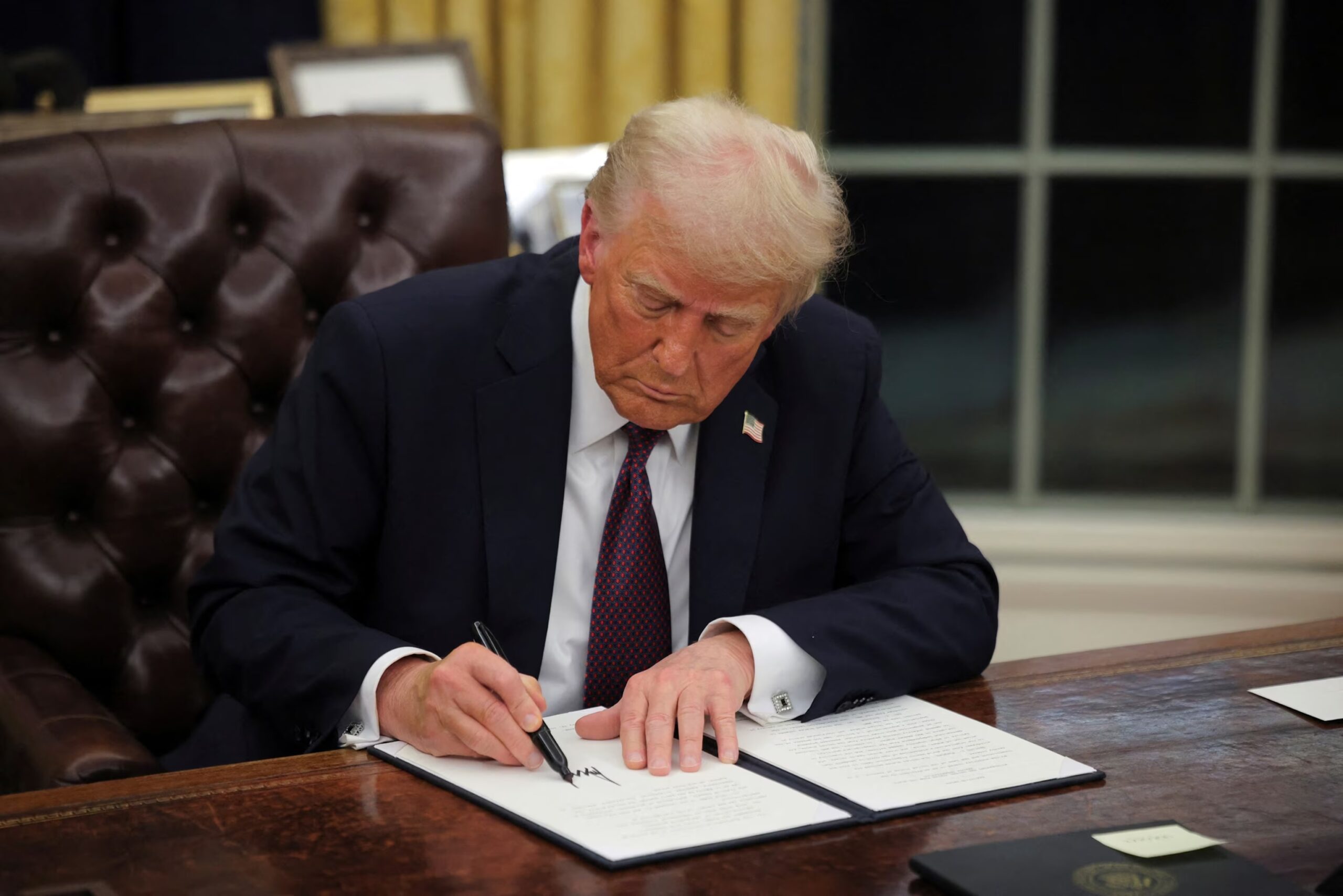
Vietnam Insider – A new U.S. entry ban on nationals from 12 countries, issued by U.S President Donald Trump, officially takes effect today, June 9.
Under the executive order, citizens from Afghanistan, Myanmar, Chad, the Democratic Republic of the Congo, Equatorial Guinea, Eritrea, Haiti, Iran, Libya, Somalia, Sudan, and Yemen are now prohibited from entering the United States.
In addition, entry restrictions have been partially imposed on citizens from Burundi, Cuba, Laos, Sierra Leone, Togo, Turkmenistan, and Venezuela.
President Trump stated that the countries facing the strictest bans were identified as either having a “significant presence of terrorist elements,” failing to cooperate on visa security matters, lacking the ability to verify the identities of visa applicants, maintaining inadequate criminal records systems, or exhibiting high rates of visa overstay violations in the U.S.
Trump cited a recent incident in Boulder, Colorado, where an Egyptian national threw a Molotov cocktail at pro-Israel demonstrators, as an example of why the new restrictions are necessary. However, Egypt was not included in the list of banned countries.
The ban is part of Trump’s broader immigration policy agenda, reminiscent of his controversial 2017 travel ban targeting citizens from seven Muslim-majority countries during his first term.
The move has sparked backlash from both foreign officials and affected communities. Chad’s President, Mahamat Idriss Déby Itno, announced a reciprocal response by suspending visa issuance for U.S. citizens.
“Chad may not have planes to offer or billions of dollars to invest, but we have dignity and pride,” Déby posted on Facebook, in an apparent reference to countries like Qatar, which recently gifted a luxury aircraft to the U.S. and pledged major investments.
Meanwhile, former Afghan employees of U.S. government-backed projects have expressed deep concern, fearing they may be forced to return to Afghanistan where they risk Taliban retaliation.
The policy has also drawn criticism from Democratic lawmakers in the U.S. Representative Ro Khanna denounced the measure on social media, calling it “draconian and unconstitutional,” and affirming that “people have the right to seek asylum.”
Analysts suggest that, beyond national security concerns, the travel ban may also serve other political purposes—such as fulfilling campaign promises or leveraging diplomatic pressure in pursuit of economic, military, or trade agreements.
Related
Discover more from Vietnam Insider
Subscribe to get the latest posts sent to your email.
Source: Vietnam Insider