

Vietnam’s push into electric mobility just became more definitive.
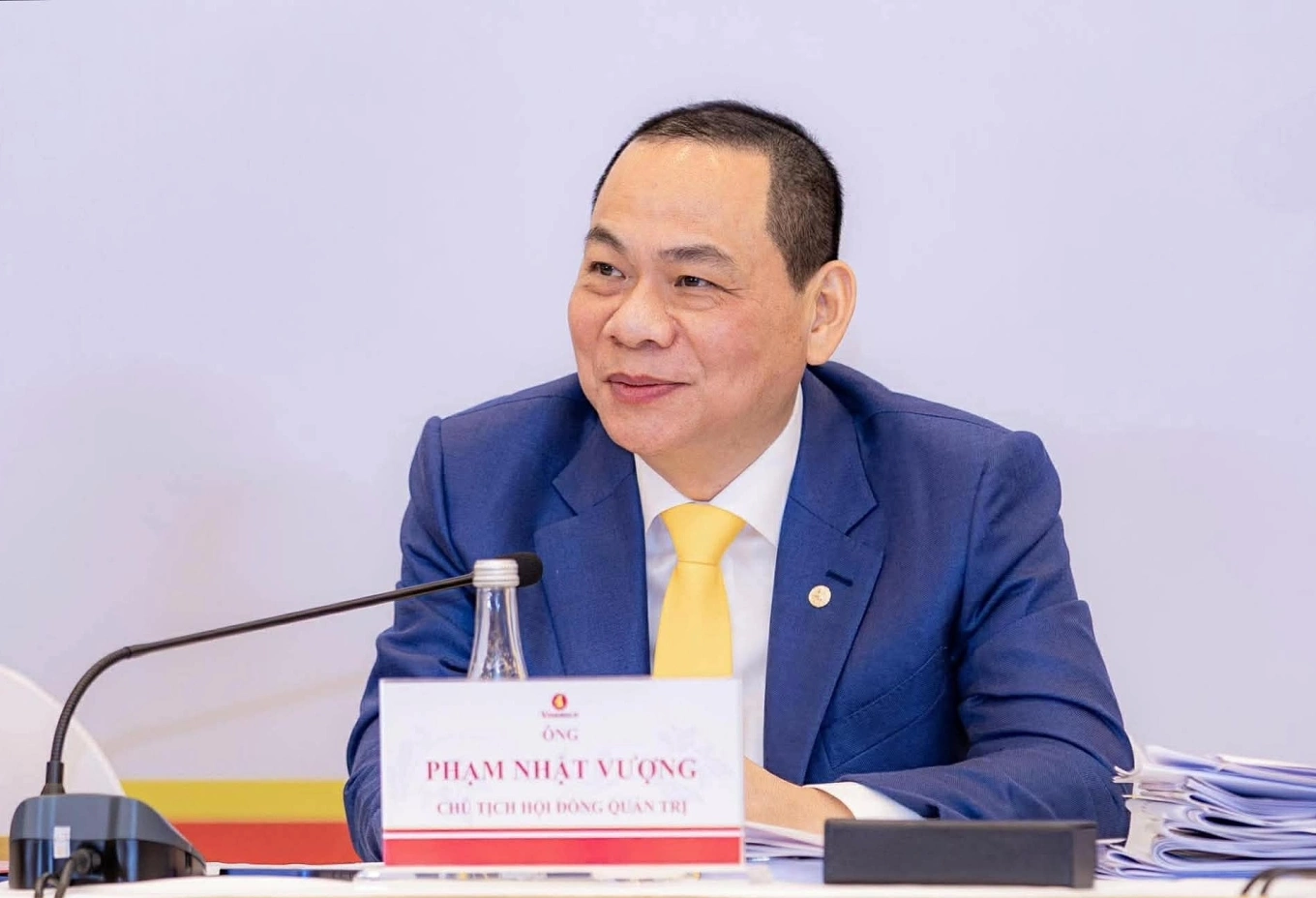
At Vingroup’s 2026 annual shareholder meeting, billionaire Pham Nhat Vuong delivered a clear message to investors and the market. VinFast will not return to gasoline vehicles under any circumstances, even as some global automakers reconsider hybrid strategies.
For international observers, this signals one of the most aggressive all electric commitments by a major emerging market automaker.
A Firm Strategic Bet on Electric Vehicles
Responding to shareholder questions about whether VinFast might produce hybrid or gasoline cars, Vuong rejected the idea outright.
Instead, the company will:
- Continue developing new electric vehicle models
- Focus on extending driving range to address charging concerns
- Expand its global footprint across Asia and beyond
The stance comes at a time when parts of the global auto industry are slowing EV transitions and reintroducing hybrid options.
VinFast is taking the opposite approach.
High Growth, High Cost Transition
The company’s financials reflect the scale of its ambition.
- 2025 revenue reached over VND 90 trillion, up 139 percent year on year
- Net losses exceeded VND 97 trillion
- Accumulated losses have surpassed VND 170 trillion
Despite these losses, VinFast has become the largest car brand in Vietnam, capturing around 36 percent market share.
This highlights a familiar pattern in the EV industry, where rapid expansion and heavy upfront investment often precede profitability.
Global Expansion Targets
VinFast is aiming for significant scale in 2026:
- Deliver 300,000 electric cars globally
- Sell between 1 and 1.5 million electric motorbikes
- Expand into Southeast Asia and India
The company is positioning itself not just as a domestic leader, but as a regional EV player.
Flexible Battery Strategy
Rather than fully vertically integrating battery production, VinFast is adopting a hybrid approach.
The company plans to:
- Source batteries from external suppliers
- Partner with technology firms
- Maintain partial in house production
This strategy is designed to reduce capital intensity while maintaining flexibility and cost competitiveness.
Beyond Cars: Building an EV Ecosystem
Its sister company Green SM, an electric ride hailing platform, has already become the market leader in Vietnam’s four wheel ride hailing segment.
- Holds over 50 percent market share by transaction value
- Expanding into services such as delivery and logistics
- Preparing for a potential IPO in the near future
Together, these moves suggest a broader ecosystem play, integrating vehicles, services, and infrastructure.
Why This Matters
VinFast’s refusal to return to gasoline vehicles sets it apart from many global competitors.
For investors and industry watchers, it raises key questions:
- Can a pure EV strategy succeed in emerging markets
- How quickly can profitability follow scale
- Will Vietnam become a serious player in the global EV supply chain
Bottom Line
VinFast is making a clear, high risk bet on an all electric future.
By ruling out any return to gasoline vehicles, Pham Nhat Vuong is signaling long term commitment over short term flexibility. The outcome will shape not only the company’s trajectory, but also Vietnam’s position in the global auto industry.
Source: Vietnam Insider