

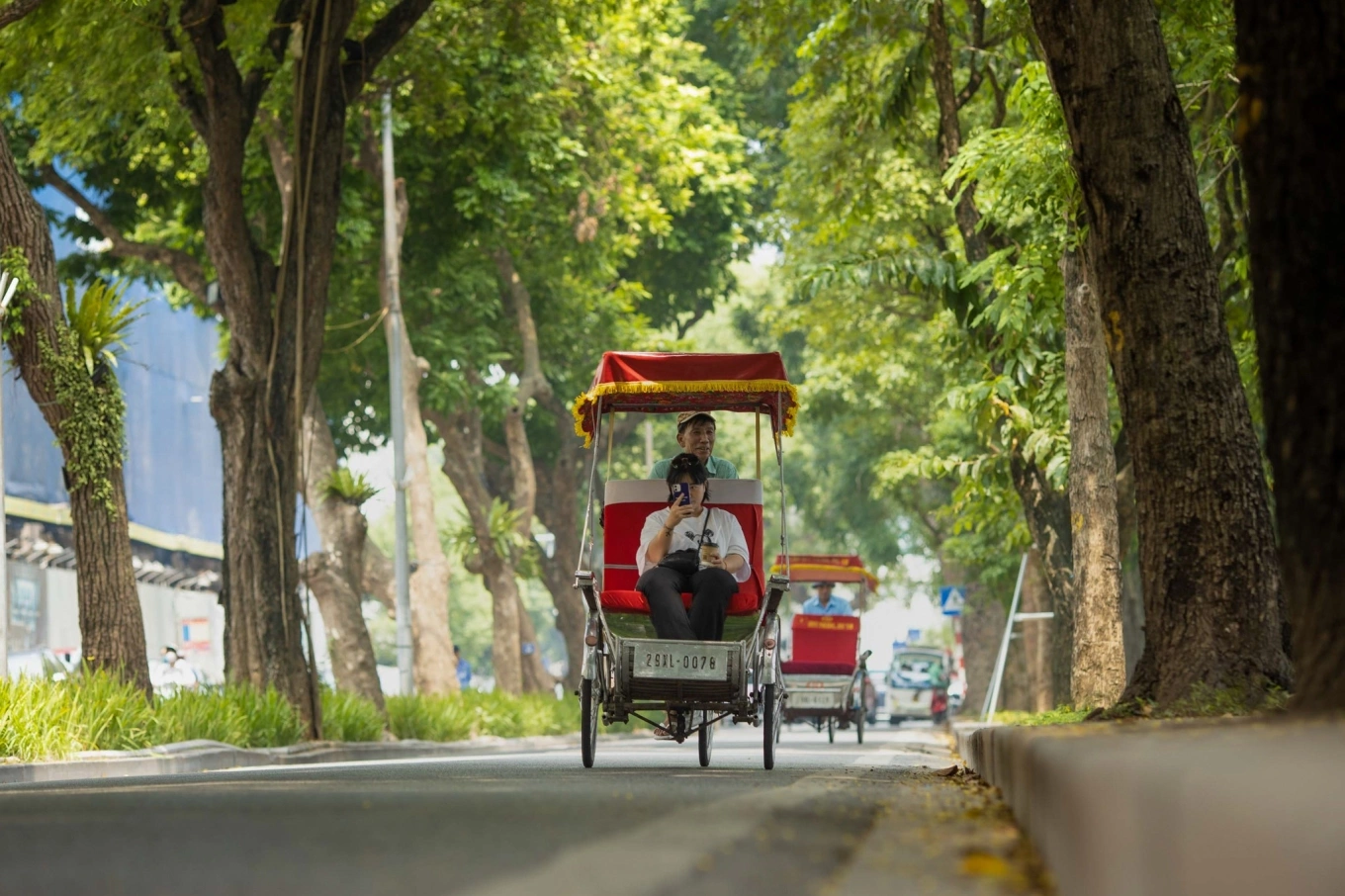

Despite being celebrated in poetry and nostalgia, Hanoi’s autumn has yet to gain the global appeal of the fall foliage in Japan or South Korea. Experts say the capital lacks distinctive scenery, seasonal marketing, and structured tourism products that could turn its mild autumn charm into a strong brand.
Anh Tuan Linh, a Hanoi resident who has experienced autumn in both South Korea and China, said the difference is striking. “In Nami Island, fallen yellow leaves cover every path. You just lift your camera and get a perfect photo,” he said. “Autumn in Hanoi is beautiful on some days, but it doesn’t leave the same impression.”
According to Agoda’s data, Hanoi ranked only third among domestic destinations searched by Vietnamese travelers from October to November, after Da Nang and Ho Chi Minh City. Meanwhile, interest in autumn trips to Japan and South Korea rose sharply, up 24% and 55% respectively from summer.
The Power of a Seasonal Brand
Nguyen Canh Linh from Top Ten Travel said the fall foliage season in Japan and South Korea has long been their second-biggest tourism peak, after cherry blossom season. Both nations have built strong autumn branding through consistent promotion in film, music, and tourism campaigns.
“Japanese and Korean partners even send detailed forecasts of leaf-changing times for each region as early as May or June,” said Pham Anh Vu of Du Lich Viet. “That level of preparation helps tour operators plan and travelers choose the perfect time to visit.”
Destinations like Naejangsan National Park in Korea or Rikugien Garden in Tokyo offer scenic harmony between nature and traditional architecture, often enhanced with night lighting displays.
Why Hanoi Falls Behind
Tourism experts say Hanoi’s tropical monsoon climate limits its visual appeal. The city’s short autumn and high humidity prevent vibrant leaf colors from developing. Local trees such as sấu and xà cừ rarely change color like maple or ginkgo.
Even efforts to grow red maple trees in Hanoi failed after a few years. “The city’s autumn is beautiful, but only by Vietnamese standards, not enough to ‘wow’ international visitors,” said Nguyen Tien Dat, Vice Chairman of the Hanoi Tourism Association.
The city also lacks open, peaceful spaces to enjoy the season. Popular spots like Hoan Kiem Lake or Phan Dinh Phung Street are often crowded, making it hard for visitors to fully experience the ambiance.
Selling the Story, Not Just the Scenery
Experts agree that Hanoi should not imitate Japan or Korea’s “autumn leaves” model but instead embrace its own identity.
“Hanoi’s autumn is about emotion, not spectacle,” said Dat. “Tourism products should awaken all five senses — seeing the architecture, smelling milk flowers, tasting green rice and chả rươi, feeling the cool air, and hearing street vendors’ calls.”
Travel firms suggest integrating cultural elements into experiences — turning local food, traditional music, and historic streets into a cohesive narrative of “Autumn in Hanoi.” Recent Fall Festivals show early progress, but experts say building a brand will take time.
“When visitors can see, touch, and taste the soul of Hanoi’s autumn, that’s when it will truly stand out,” said Vu.
Related
Discover more from Vietnam Insider
Subscribe to get the latest posts sent to your email.
Source: Vietnam Insider