

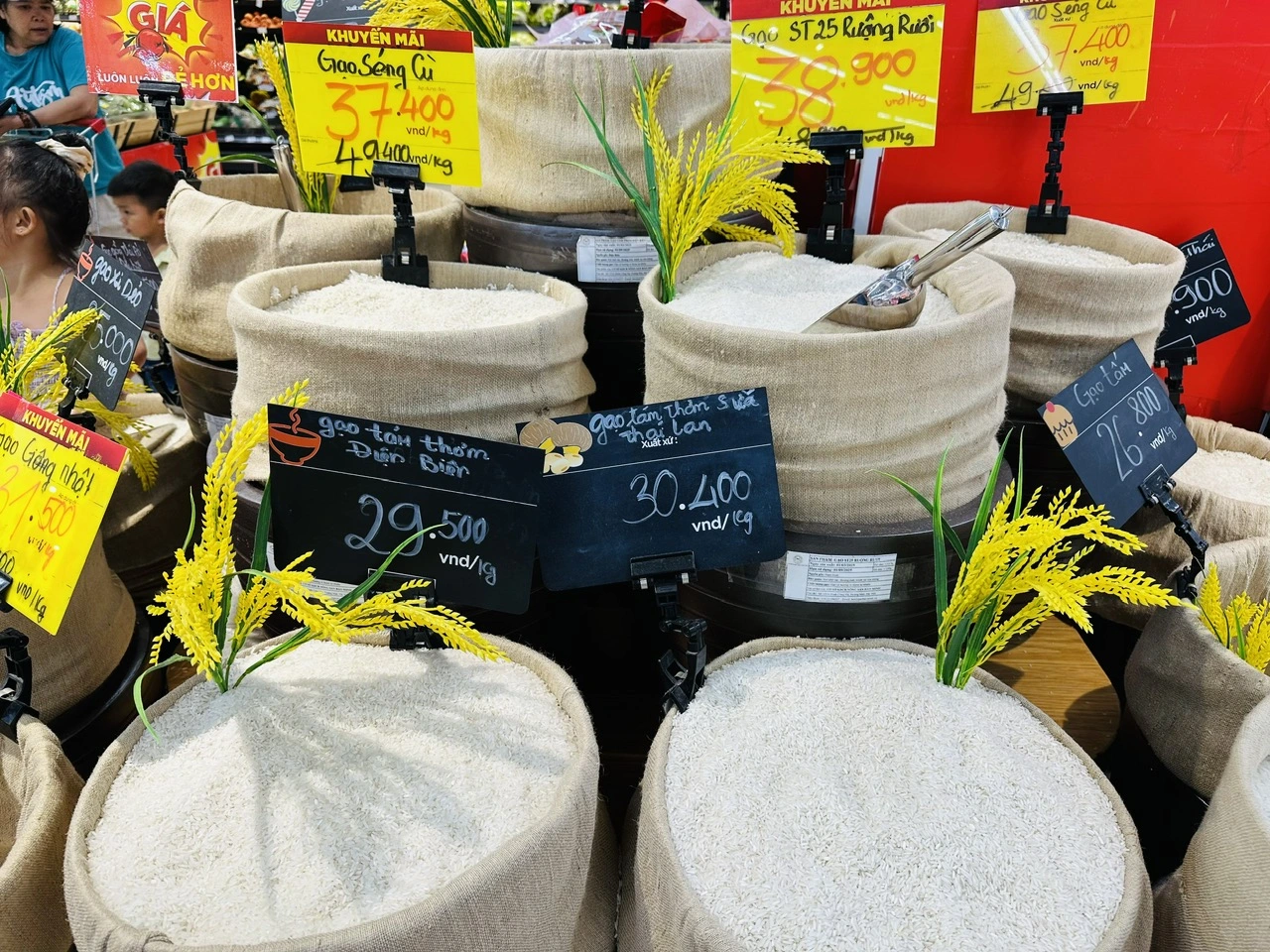

Vietnam’s fragrant rice export prices have jumped by up to USD 15 per ton this week, marking the second consecutive week of gains, according to the Vietnam Food Association (VFA). Premium fragrant rice reached as high as USD 465 per ton, Jasmine rice rose to USD 503 per ton, while 5% broken white rice held steady at USD 379 per ton.
Why are Vietnam’s rice prices rising?
Exporters in the Mekong Delta attribute the surge to tight supplies during the between-harvest period and renewed buying from African markets, taking advantage of favorable prices. Another major factor is preparation for the Philippines, Vietnam’s largest rice buyer, which is expected to resume imports soon.
Philippine Agriculture Secretary Francisco Tiu Laurel Jr. told lawmakers this week that the country’s rice production for 2025 would fall short of forecasts, at 12.6 – 12.8 million tons of rice, lower than earlier estimates of 20.46 million tons of paddy. This has fueled expectations that the Philippines will lift its temporary rice import ban earlier than the planned 60-day period.
The ban, effective from September 1 to October 31, 2025, was intended to support local farmers. As of September 11, the Philippines had already imported 3.1 million tons of rice, with Vietnam supplying 79% (2.47 million tons), followed by Myanmar, Thailand, Pakistan, and India.
Regional rice price movements
-
Thailand: Prices are also rising. Standard 5% broken rice increased by USD 7 to USD 379 per ton, Jasmine rice climbed by USD 13 to USD 598 per ton, and premium Hom Mali varieties surged by up to USD 39, hitting USD 1,293 per ton. The rise was supported by a stronger Thai baht and growing Chinese demand.
-
India: Prices continued to fall due to record stockpiles. Government reserves reached 48.2 million tons by the end of August, up 14% year-on-year – the highest in history. India’s rice exports are projected to hit a record 22.5 million tons in 2025, up nearly 25% from last year.
Outlook
Analysts believe Vietnam’s rice export prices will remain firm in the coming weeks, driven by tight supplies, robust overseas demand, and the Philippines’ likely return to the market.
Related
Discover more from Vietnam Insider
Subscribe to get the latest posts sent to your email.
Source: Vietnam Insider