


Two everyday Vietnamese condiments beat dozens of global rivals, reflecting Southeast Asia’s rising influence on global food culture.
Vietnam’s global brand is increasingly being shaped not just by manufacturing, tourism, or investment flows—but by flavor. In the latest 2026 ranking of the world’s best sauces by Taste Atlas, two distinctly Vietnamese condiments—garlic chili fish sauce and fermented anchovy paste—have secured places among the top 100 worldwide, outperforming iconic sauces from Europe, the Americas, and Asia.
Garlic chili fish sauce placed an impressive 16th, scoring 4.3 out of 5, while fermented anchovy paste ranked 79th with 3.9 points. The list, updated on January 22, is based on nearly 16,000 global reviews from readers and culinary experts, with rigorous filtering to ensure credibility and reduce local bias. For international audiences, the result highlights how Vietnam’s everyday street flavors are increasingly resonating with global palates.
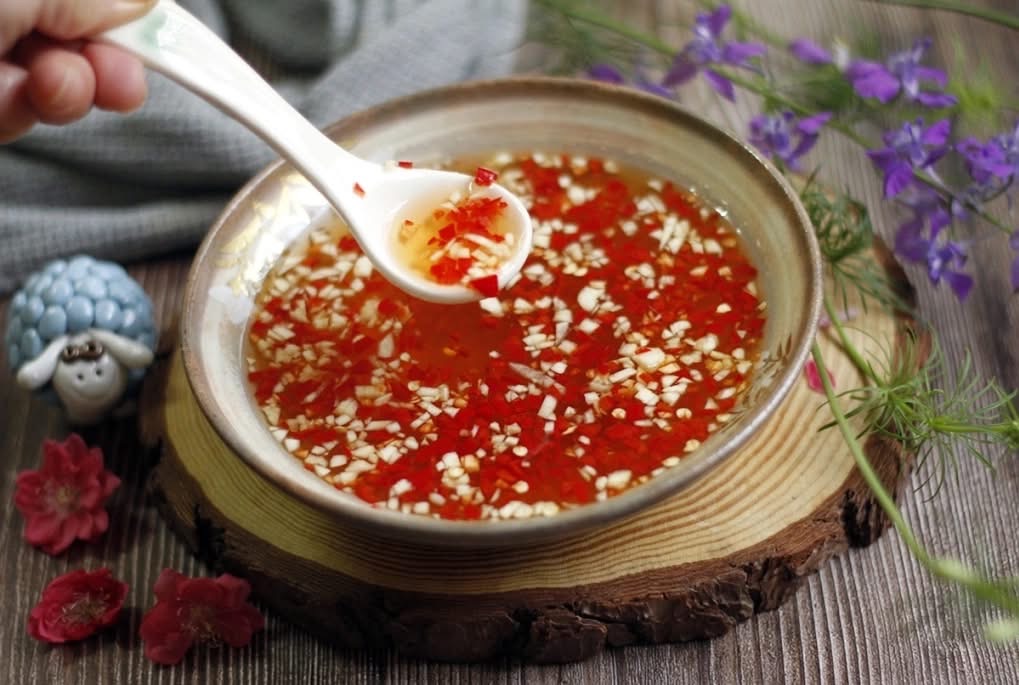
Taste Atlas describes garlic chili fish sauce as a cornerstone of Vietnamese cuisine, blending fish sauce with citrus, sugar, water, garlic, and fresh chilies to create a balanced sweet-sour-salty profile. Its versatility is key to its appeal, pairing seamlessly with spring rolls, Vietnamese pancakes, grilled meats, seafood, noodles, and soups. Unlike many Western sauces designed for a single dish, this condiment adapts to regional tastes and culinary contexts—an attribute that global chefs and diners increasingly value.
Fermented anchovy paste, known for its bold aroma and umami depth, represents a more adventurous side of Vietnamese food culture. Often mixed with pineapple, lime juice, garlic, sugar, and chili to soften its intensity, the sauce is commonly paired with beef dishes and central Vietnamese specialties. Its inclusion in the ranking underscores a broader global trend: consumers are becoming more open to fermented, complex flavors once considered niche or challenging.
At the top of the 2026 list sits Peru’s salsa ocopa, reinforcing the idea that global food influence is no longer dominated by traditional Western culinary powers. Instead, regions like Southeast Asia and Latin America are shaping taste preferences through authenticity, heritage, and distinctive local ingredients.
While Taste Atlas emphasizes that the ranking is not a definitive judgment on world cuisine, its growing influence matters. For Vietnam, such recognition strengthens culinary tourism appeal, supports food exports, and enhances the country’s soft power at a time when global audiences are actively seeking new cultural experiences beyond familiar capitals and cuisines.
The deeper takeaway is not just about sauces. As Vietnam continues to attract tourists, investors, and expatriates, its food culture is emerging as a powerful connector—one that turns everyday meals into global ambassadors. The question now is whether Vietnamese cuisine will remain a traveler’s discovery, or become a permanent fixture on menus worldwide.
Related
Discover more from Vietnam Insider
Subscribe to get the latest posts sent to your email.
Source: Vietnam Insider