

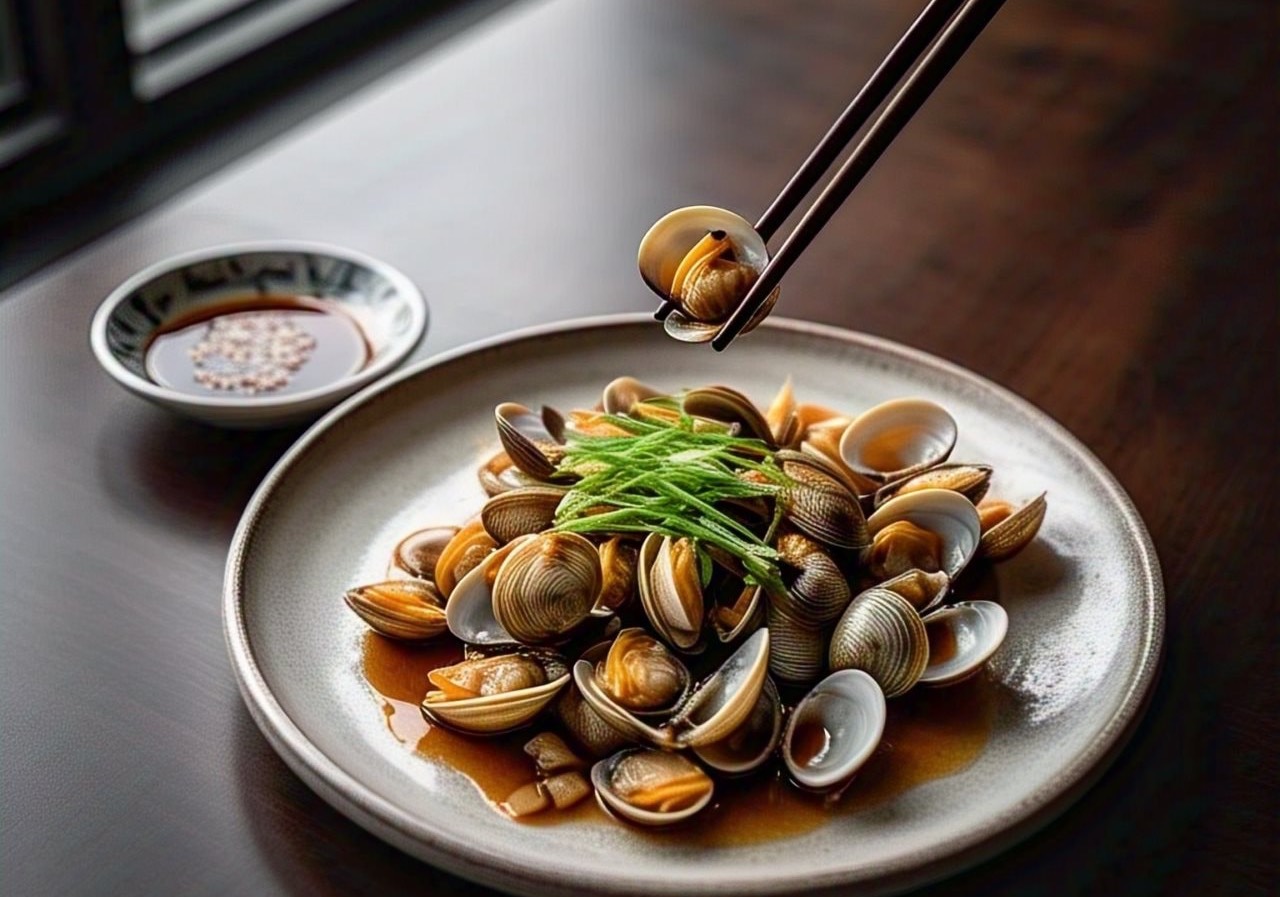

Vietnam’s clam industry, a high-value segment of its mollusk exports, is experiencing a surge in global demand—most notably with an unexpected spike in imports from China.
According to the latest data from Vietnam Customs, the country’s clam export value reached over USD 37 million in the first four months of 2025, marking a 44% increase compared to the same period in 2024.
Strong export growth was recorded across both traditional and emerging markets, with the European Union (EU)remaining Vietnam’s largest clam importer. Italy led the pack with USD 10 million in imports as of May 15, 2025—a year-on-year increase of 39%. Spain followed with nearly USD 9 million, maintaining stable demand compared to last year. The United States and South Korea also posted encouraging import growth.
Vietnam’s ability to meet stringent international standards is helping drive this success. Several major clam farming regions—including Ben Tre (certified by the Marine Stewardship Council – MSC), Tien Giang, Tra Vinh, Nam Dinh, and Ninh Binh (certified by the Aquaculture Stewardship Council – ASC)—have obtained sustainability certifications. These certifications are seen as a “passport” to penetrate demanding markets such as the EU, U.S., Japan, and Australia, which require traceability from farm to finished product to ensure food safety and origin transparency.
The standout story, however, is China, where clam imports from Vietnam soared by 381%, making it the third-largestimporting market with a total value exceeding USD 8 million. This dramatic increase allowed China to surpass several traditional buyers.
Conversely, some established markets experienced a decline. The Netherlands saw a sharp 56% drop, while Japandecreased by 38%, reflecting shifting consumer preferences or intensified competition in those regions. The UK and Singapore also reported declines.
As of the end of May 2025, Vietnamese clams had reached 49 international markets, with a wide range of export products including IQF frozen boiled clam meat, half-shell boiled clams, and whole clams. With certified sustainable farming areas and significant market potential, Vietnam’s clam sector is expected to maintain strong growth in the coming months.
However, challenges remain. According to the Vietnam Association of Seafood Exporters and Producers (VASEP), the industry faces declining seed quality and unsustainable farming practices. Overharvesting of juvenile clams and poor broodstock management are threatening the natural clam population. Furthermore, increased farming density in some areas has disrupted zoning plans and led to environmental degradation, affecting the consistency and quality of raw material supply.
VASEP emphasizes that for Vietnam’s mollusk industry to grow sustainably, strategic support is needed, including access to investment, credit, and technical assistance for producers and processors. In addition, ensuring price stability, profitability for farmers, and developing specialized farming zones that meet strict safety and quality standards will be crucial for the long-term success of the sector.
Related
Discover more from Vietnam Insider
Subscribe to get the latest posts sent to your email.
Source: Vietnam Insider