

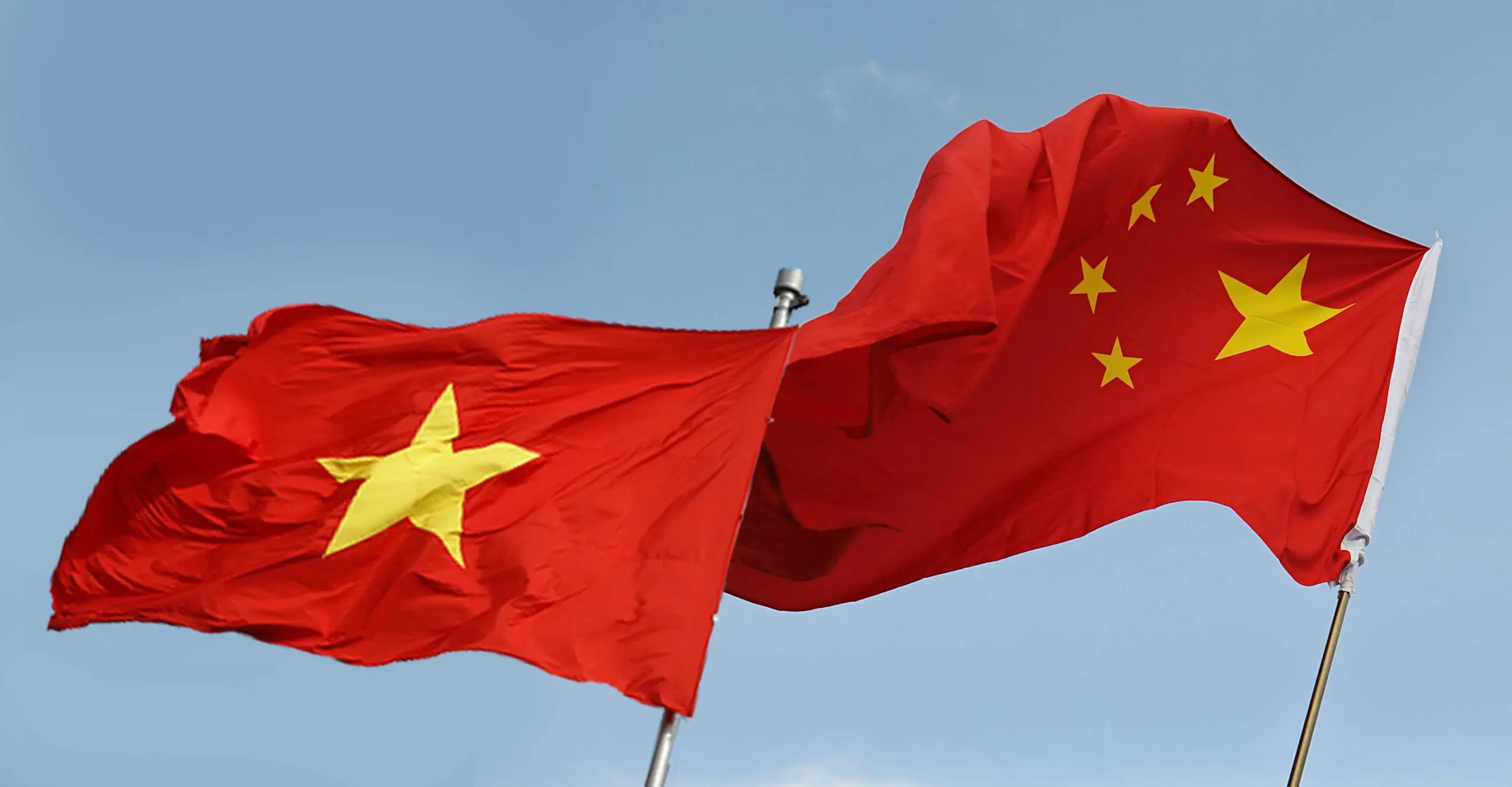

In a significant diplomatic and economic development, Vietnamese Prime Minister Pham Minh Chinh and Chinese Premier Li Qiang recently convened on the sidelines of the BRICS summit in Brazil, agreeing to enhance trade and investment between their two nations. This comes at a critical juncture for Vietnam, just days after the United States, under President Donald Trump, announced new trade terms that introduce a 20% tariff on all Vietnamese exports to the US, alongside a substantial 40% levy on transshipments originating from third countries and routed through Vietnam.
The newly imposed US tariffs, while lower than an initial threat of 46%, mark a notable shift in Vietnam’s trade landscape. The 40% tariff on transshipments is particularly impactful, primarily targeting components and materials from China—Vietnam’s largest source of inputs for its robust manufacturing industries. This measure aims to counteract circumvention of existing US tariffs on Chinese goods. In a reciprocal gesture within the US-Vietnam trade deal, Vietnam has also committed to importing US products at a zero-percent tariff rate.
During his meeting with Premier Li, Prime Minister Chinh underscored the importance of accelerating cooperation in railway construction. He specifically highlighted Vietnam’s intention to commence building a new rail link connecting the two countries in December. This initiative signals a strategic push by Vietnam to bolster its logistical connectivity with its northern neighbor, potentially creating new avenues for trade and supply chain resilience.
The confluence of these events presents a complex scenario for Vietnam. The increased tariffs from the US, a major export market, could necessitate adjustments within Vietnamese supply chains and manufacturing strategies. The explicit targeting of transshipments originating from China highlights a growing scrutiny over product origin and aims to prevent goods from bypassing tariffs through intermediary countries. This could compel Vietnamese manufacturers to diversify their input sources or invest more heavily in domestic production capabilities.
Conversely, the renewed commitment to stronger trade and investment ties with China, coupled with the ambitious railway project, offers a strategic counter-balance. Deeper integration with China’s vast economy, facilitated by improved infrastructure, could help mitigate some of the potential adverse effects of the new US tariffs. It underscores Vietnam’s pragmatic approach to international trade, seeking to maintain balance and leverage multiple economic partnerships amidst global trade uncertainties.
While details on the precise implementation of the 40% transshipment tariffs are yet to be fully disclosed, analysts suggest this policy is a direct response to concerns about Chinese goods being rerouted through Vietnam to evade US duties. This places an onus on Vietnamese customs and regulatory bodies to ensure stricter enforcement of origin rules, potentially increasing compliance costs for businesses. However, the Vietnamese government’s proactive engagement with China on trade and infrastructure suggests a calculated effort to fortify its economic resilience and expand market access in various directions.
The upcoming railway construction, slated to begin in December, is a concrete manifestation of Vietnam’s long-term vision for enhancing regional connectivity and trade facilitation with China. This infrastructure development, along with broader trade agreements, could solidify Vietnam’s position as a vital hub in regional supply chains, even as it navigates the complexities of evolving global trade policies. The focus on railway infrastructure also aligns with Vietnam’s ambition to modernize its logistics and reduce transportation costs, making its exports more competitive and attracting further foreign direct investment. The coming months will reveal how effectively Vietnam can manage these converging trade dynamics to sustain its impressive economic growth trajectory.
Related
Discover more from Vietnam Insider
Subscribe to get the latest posts sent to your email.
Source: Vietnam Insider