

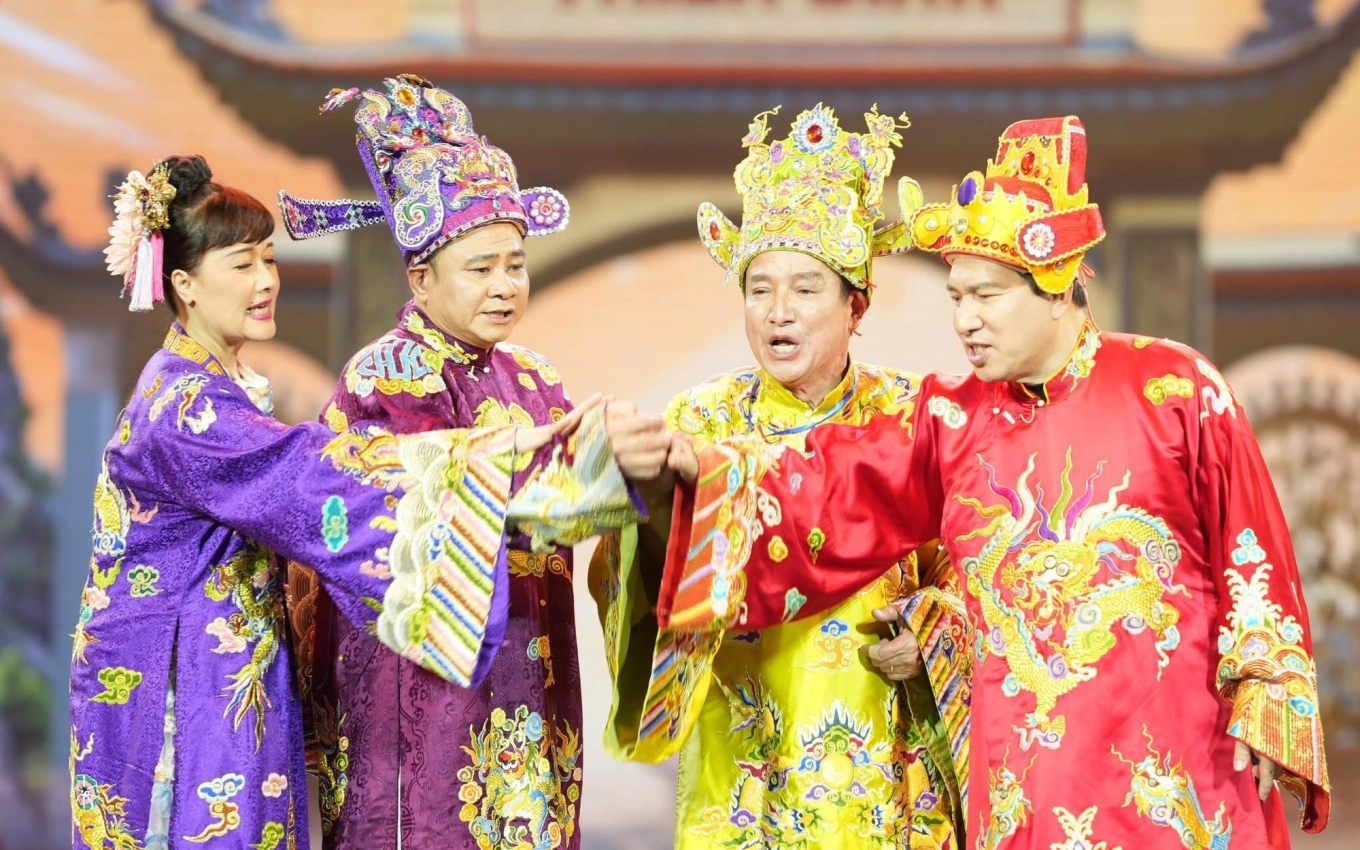

For more than two decades, millions of Vietnamese families welcomed the Lunar New Year with the same ritual. Gather around the television on New Year’s Eve and watch Táo quân Gặp nhau cuối năm, the satirical comedy show that reviewed the nation’s highs and lows with humor, music, and political wit. In 2026, that tradition will come to an end.
Vietnam Television has confirmed that Táo quân will no longer air on Lunar New Year’s Eve, closing the curtain on one of the country’s most influential and recognizable television formats.
Why the show is ending
A representative from Vietnam Television said the broadcaster plans to replace Táo quân with a new New Year program aimed at a younger audience. The new show, tentatively titled Quảng trường mùa xuân, is expected to feature a more modern format while still incorporating comedy.
The decision follows weeks of speculation among fans after veteran performers revealed they had not received scripts or rehearsal schedules. Actress Vân Dung publicly shared her disappointment at the absence of Táo quân 2026, while other long time cast members confirmed they were not invited to participate this year.
A cultural staple with growing criticism
First broadcast in 2003, Táo quân became a defining feature of Tet television. Drawing on the folk legend of the Kitchen Gods reporting to the Jade Emperor, the show offered sharp satire of Vietnam’s politics, economy, education system, and social issues. Its jokes were often discussed nationwide the following day.
Yet in recent years, the program faced mixed reactions. Loyal viewers continued to see it as an essential part of New Year’s Eve. Others argued the content had grown predictable and less daring. The absence of iconic performers such as Công Lý and Xuân Bắc, once central to the show’s appeal, also left a noticeable gap that newer comedians struggled to fill.
The program had already paused once before, in 2020, when a spin off failed to capture public interest. It returned a year later and continued until 2025.
An expensive ticket to nostalgia
Táo quân was traditionally recorded over three days at Hanoi’s Friendship Cultural Palace. Tickets were never sold publicly, with revenue coming instead from television advertising. Demand was so high that unofficial tickets reportedly traded for the equivalent of several hundred US dollars per pair.
What its end signals
For international audiences, the end of Táo quân marks more than the cancellation of a TV show. It reflects a generational shift in Vietnamese media consumption and humor, as broadcasters move away from legacy formats toward content designed for younger, digitally native viewers.
As Vietnam’s society and entertainment landscape evolve, the farewell to Táo quân closes a chapter that shaped how a nation laughed, reflected, and debated on the most important night of the year.
Source: Vietnam Insider