

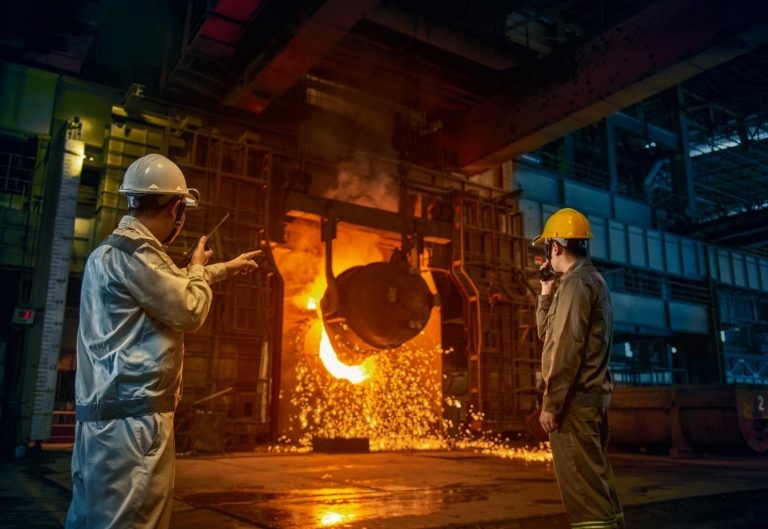

Vietnam Insider – In a major step toward its climate goals, Vietnam has officially launched the pilot phase of a national Emissions Trading Scheme (ETS) — a move aimed at curbing carbon emissions from some of the country’s most polluting industries: steel, cement, and coal-fired power generation.
Announced by the government on Tuesday, the scheme will require major producers in these sectors to hold carbon allowances that correspond to the amount of CO₂ they emit per unit of output. This carbon intensity-based approach is part of a broader push to align with Vietnam’s commitment to reach net-zero emissions by 2050.
What’s Changing?
Under the pilot phase, running from now through 2029, firms in the targeted sectors must begin reporting their emissions and managing carbon quotas. If they exceed their allocated allowances, they will need to buy additional carbon creditson the market. Conversely, companies that perform better than expected may trade surplus allowances.
In a bid to ease the transition, most emission allowances will be issued free of charge during this initial phase. The government will allocate the first round of permits for the 2025–2026 period by the end of this year.
Companies will also be allowed to offset up to 30% of their emissions by purchasing carbon credits from certified low-carbon projects, either within Vietnam or internationally.
Who’s Affected?
These three initial industries collectively account for nearly half of Vietnam’s total CO₂ emissions, underscoring the scheme’s potential to influence the country’s environmental footprint. Over time, the ETS will expand to cover additional sectors such as transportation and commercial buildings.
However, experts say the program is more about building infrastructure than generating immediate environmental impact. “The priority is first to help entities adapt to the system, rules, and regulations,” Mai Duong, an analyst at carbon market research firm Veyt told Vietnam Insider.
Why It Matters
Vietnam’s carbon emissions have soared in recent years, driven largely by coal power. In 2023, coal-fired electricity output surged 18%, while crude steel production rose 15% in early 2024. This pilot ETS marks a structural shift in how the country plans to manage its industrial emissions in the long run — using market mechanisms rather than solely relying on administrative controls.
As Vietnam continues to attract foreign investment and positions itself as a key manufacturing hub, this new carbon trading system could influence investment decisions, supply chain sustainability, and regulatory compliance.
With the world watching closely, Vietnam’s carbon market could set the tone for how emerging economies balance economic growth with climate responsibility.
Related
Discover more from Vietnam Insider
Subscribe to get the latest posts sent to your email.
Source: Vietnam Insider