

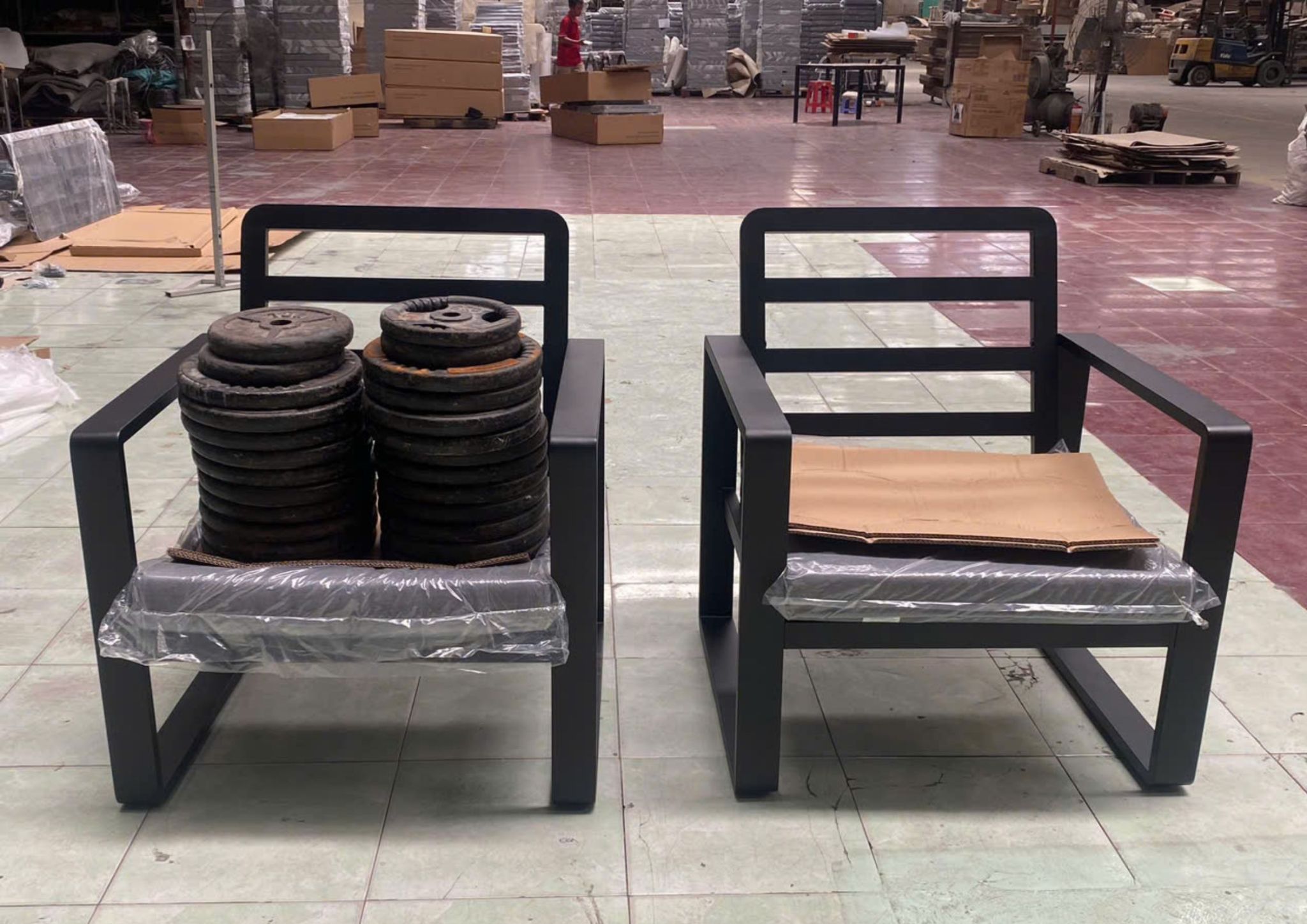
Vietnam has become an increasingly attractive destination for global furniture sourcing, thanks to its competitive manufacturing costs, skilled workforce, and growing export capabilities. As more international buyers, including small and medium-sized enterprises (SMEs), seek flexible production and competitive pricing, ensuring consistent product quality through strong quality control measures has become more critical than ever.
The Rapid Growth of Vietnam’s Furniture Industry
According to the Vietnam Timber and Forest Products Association (VIFORES), Vietnam’s wood and wood product exports reached USD 15.89 billion in 2024, marking a 20.1% year-over-year increase. Wooden furniture remained a major driver of this growth — with seating furniture generating USD 3.5 billion and living room furniture contributing USD 2.12 billion. Despite ongoing global challenges, the industry is aiming for USD 18 billion in exports by 2025, further strengthening Vietnam’s position as a leading hub in the global furniture manufacturing and export supply chain.
Globally, China holds the leading position in furniture exports, followed by the United States, Italy, Germany, and India. In the context of ongoing U.S.–China trade tensions and an increasing shift in manufacturing away from China, Vietnam is well-positioned to capture additional market share. According to the Center for Industrial Studies (CSIL), the country ranked 6th among the world’s top furniture-exporting nations.
Vietnam’s furniture industry is attracting SMEs that can’t meet the high MOQs required by large factories. Smaller suppliers offer flexibility, but often lack standardized processes — making quality control a critical safeguard for consistent exports.
This video from MoveToAsia – one of the leading sourcing agency in Vietnam – offers a behind-the-scenes look at quality control practices in an outdoor furniture factory in Vietnam: a valuable resource for anyone sourcing furniture from the country.
Why Quality Control is the Key to Vietnam’s Export Future
While Vietnam’s furniture industry initially relied on low labor costs, long-term global competitiveness requires more than price alone. Vietnamese furniture manufacturers must focus on quality control, as this is the core foundation for “Made in Vietnam” products to achieve sustainable success in international markets.
International certifications such as SMETA and BSCI (for ethical and social compliance), ISO 9001 (quality management), ISO 14001 (environmental management), FSC CoC (responsible wood sourcing), and CTPAT (supply chain security) will become essential indicators of high-quality Vietnamese goods. Holding these certifications demonstrates the production capabilities and standards of furniture factories in Vietnam.
Quality control not only strengthens customer trust but also helps minimize losses caused by defective products, unmet specifications, or goods that fail to meet export quality standards. It also helps prevent damage during long-distance transportation, especially when products are sold through e-commerce platforms.

Quality Control by MoveToAsia Sourcing Agency in Vietnam
>> Related article: Exporting Furniture from Vietnam in 2025: Opportunities for SMEs
Key Elements of Effective Quality Control Implementation
To stay competitive in global furniture sourcing, Vietnamese manufacturers must adopt a robust quality control (QC) system throughout the production process.
Raw Material Inspection: Quality control starts with materials. Moisture-tested wood, compliant fabric, certified steel, and safe chemicals ensure that only high-quality inputs enter the manufacturing line—minimizing risks from the start.
In-Process Quality Checks: Continuous inspection during production detects welding issues, misalignment, or upholstery defects early. This prevents costly rework and helps maintain consistency in furniture manufacturing.
Final Product Inspection: Before shipment, products undergo functional testing, surface finishing checks, and packaging evaluations. This step ensures the furniture meets international standards and customer specifications—especially important for export markets like the U.S.
Reporting: Detailed QC reports, defect tracking, and corrective action plans help build transparency. Many global buyers require third-party inspections.
Staff Training & Quality Culture: Building QC capacity across teams fosters a quality-first mindset. Well-trained workers and supervisors ensure that standards are upheld at every stage.
By integrating these elements, furniture manufacturers in Vietnam can boost product reliability, reduce sourcing risks, and meet the rising expectations of global buyers—turning QC into a strategic advantage.

Example of OEM Outdoor furniture for MoveToAsia’s Client in Vietnam
>> Related article: From Factory to Market: A 2025 Guide to Furniture Quality Inspection in Vietnam
Challenges and Outlook for Quality Control in Vietnam’s Furniture Industry
While Vietnam’s furniture industry has achieved impressive growth, it continues to face notable challenges in establishing consistent and effective quality control (QC) systems across the board. Large export-focused manufacturers often meet international standards, but many smaller factories still struggle due to limited resources and capacity, posing difficulties for foreign SMEs seeking reliable sourcing partners in Vietnam.
At the same time, this dynamic landscape is also opening up new opportunities—particularly for manufacturers that prioritize strong QC practices. As Vietnam deepens its integration into global supply chains and strengthens its role as a major production hub, enhancing quality standards will be key to maintaining export momentum. A prime example is the EU Vietnam Free Trade Agreement (EVFTA), which offers tariff benefits to certified manufacturers. These incentives not only improve access to European markets but also encourage Vietnamese producers to align with international expectations and invest in long-term quality improvements.
>> Related article: France and Vietnam elevate the bilateral relationship to a Comprehensive Strategic Partnership
Final Thought: Quality Control – The Sustainable Growth Strategy
Quality control is no longer just a final step — it’s now a strategic advantage for Vietnam’s furniture industry. It connects competitive pricing with growing international demands for quality, safety, and reliability. By strengthening QC systems, investing in training, and adopting global standards, manufacturers can reduce defects and enhance their reputation.
As global markets become more demanding, Vietnam must continue elevating its quality control capabilities. This long-term focus will support sustainable growth, attract global partnerships, and help the industry shift from volume-based exports to higher-value, brand-driven manufacturing.
Related
Discover more from Vietnam Insider
Subscribe to get the latest posts sent to your email.
Source: Vietnam Insider