

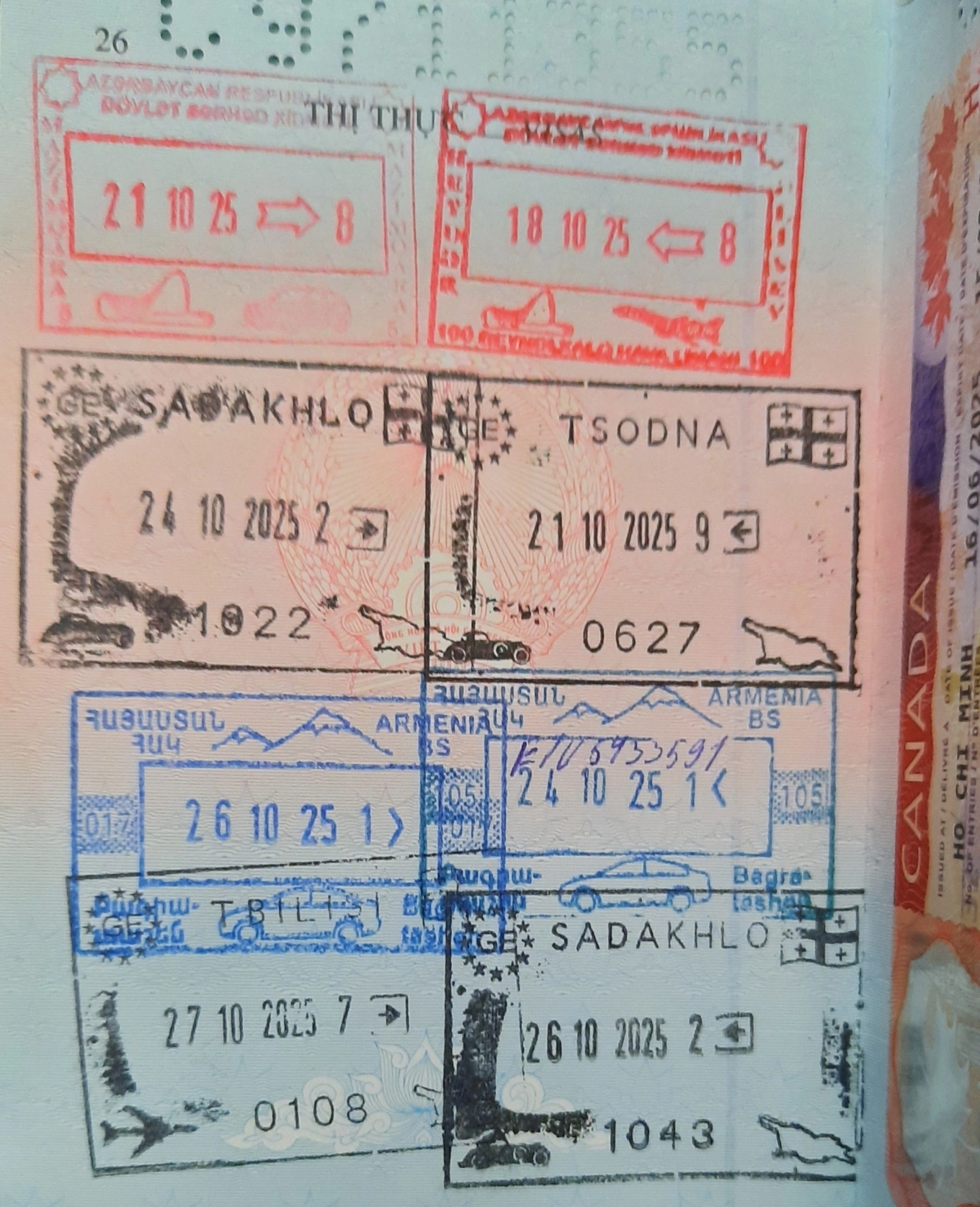

For decades, passport stamps served as a tangible record of where travelers had been. Each mark from immigration officers told a story—London, Tokyo, New York, or Sydney—while also quietly helping travelers prove their international travel history when applying for visas.
But that tradition is rapidly disappearing.
A growing number of countries—including the United Kingdom, Singapore, South Korea, Australia, Canada, the United States, Japan, Israel, and Argentina—have already phased out routine passport stamping at many entry points.
Vietnam joined the shift on January 1, 2025, when authorities stopped stamping passports for Vietnamese citizens entering or leaving the country through airports.
Meanwhile, Europe’s Schengen Area plans to replace physical stamps entirely with a digital Entry/Exit System (EES) beginning in 2026.
For frequent travelers, that raises an important question: How do you prove your travel history when there are no stamps left in your passport?
Why Travel History Matters for Visas
For visa applications to countries such as the U.S., U.K., Canada, Australia, or Schengen states, immigration officers often assess an applicant’s previous travel record.
A strong travel history can help demonstrate that a traveler:
Without passport stamps, travelers may need to rely on alternative evidence.
Vietnamese traveler Doan Phuoc Truong, who has visited 73 countries and territories, shared several practical strategies for documenting travel history.
8 Ways Travelers Can Prove Their Travel History
1. Save Boarding Passes
Always keep boarding passes for both departure and return flights.
Photos or digital copies can later help verify entry and exit dates.
2. Take Photos at Iconic Landmarks
Photographs at recognizable landmarks—such as the Eiffel Tower, Times Square, or Sydney Opera House—can serve as informal evidence of your presence in a country.
3. Keep Electronic Visas
Even when physical stamps disappear, e-visas and visa approval documents remain official proof of travel authorization.
Always save PDF copies.
4. Photograph Airport Signs
Taking a quick photo with airport name signs when arriving or departing can help document travel locations.
5. Keep Transportation Tickets
Tickets for:
-
Trains
-
Cable cars
-
Ferries
-
Cruise boats
that include your name, location, and date can strengthen travel records.
6. Document Your Accommodation
Take a photo at your hotel entrance showing the hotel name and location, or keep digital copies of hotel bookings and invoices.
7. Copy Old Passport Stamps
If you still have previous passports, scan or photocopy pages containing stamps from countries such as:
-
Schengen states
-
The U.K.
-
The U.S.
-
Canada
-
Australia
These older records remain valuable for visa applications.
8. Keep Digital Travel Records
Maintain an organized cloud-based travel archive—using services such as iCloud, Google Drive, or Dropbox—that includes:
-
Boarding passes
-
Photos
-
Tickets
-
Hotel confirmations
-
Visa approvals
Having a well-documented travel history can significantly improve your chances of future visa approvals, even in a world without passport stamps.
The Future of Travel Records
As border control becomes increasingly digital, immigration authorities worldwide are shifting toward biometric databases and electronic entry records rather than physical stamps.
For travelers, that means the responsibility of keeping travel documentation may gradually shift from passport pages to personal digital archives.
For frequent travelers and visa applicants alike, good record-keeping is becoming the new passport stamp. ✈️
Related
Discover more from Vietnam Insider
Subscribe to get the latest posts sent to your email.
Source: Vietnam Insider