

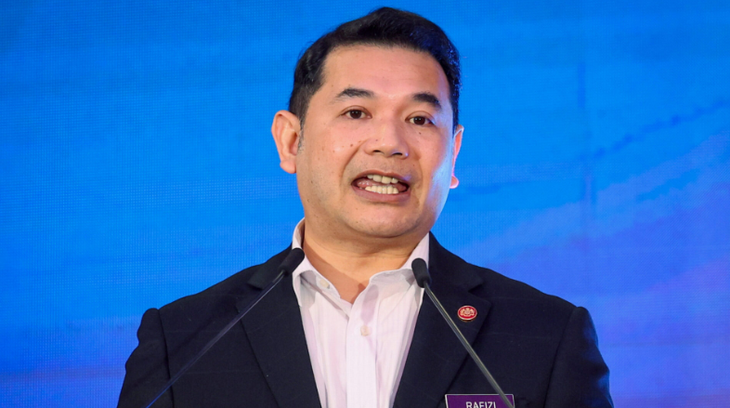

Datuk Seri Rafizi Ramli — former Malaysia economy minister and opposition MP — says anonymous extortioners demanded $100,000 after sending an AI-generated sex video that appears to show him. He warns the attempt is part of a wider cyber campaign.
Kuala Lumpur, Sept 13, 2025 — Malaysian lawmaker Datuk Seri Rafizi Ramli has revealed he received an anonymous extortion email threatening to release a sexually explicit video fabricated with artificial intelligence. The message demanded $100,000 and included a blurred screenshot from the clip plus a QR code for payment, Rafizi said in a Facebook post.
Rafizi said the video appears to be a deepfake — created by grafting his face onto footage of another man. Within 30 minutes of his disclosure, fellow MP Wong Chen told Rafizi he had received a similar threatening email that reused imagery from the same clip, suggesting a coordinated campaign.
“I suspect the true aim is to access my phone or computer. If they succeed, they could fabricate further damaging material,” Rafizi wrote, calling the attack part of a targeted operation to discredit him and possibly others.
Repeated cyber intrusions flagged
Rafizi also reported repeated attempts to breach his Apple accounts over the past nine months. He said he received security alerts on multiple dates — including Nov. 14, 2024; Mar. 6, 2025; Jun. 25, 2025; and Sept. 3, 2025 — and credited Apple’s security systems with detecting and blocking the intrusions.
According to Rafizi, Apple notified him that those intrusion attempts bore hallmarks of mercenary spyware, surveillance tools developed to target specific individuals. He pointed to the notorious Pegasus spyware — produced by NSO Group and widely reported to have been used to surveil politicians and activists worldwide — as an example of how such tools can be abused.
Political and reputational alarm
Rafizi said the extortion attempt likely has political motives and urged the public and media to verify any suspicious media before sharing it online. “I believe these efforts to smear me via fake videos and cyberattacks will not stop,” he warned, urging caution and verification.
Cybersecurity experts say deepfake extortion and coordinated spyware attacks are on the rise worldwide, and politicians and public figures are common targets. The case underlines growing concerns about the ease with which AI can fabricate convincing but false audiovisual content and how such material can be weaponised for blackmail or political manipulation.
What to watch for
-
Verify any explicit or suspicious media before sharing.
-
Treat unsolicited payment demands and QR codes as red flags.
-
Keep devices and accounts protected with up-to-date security settings and two-factor authentication.
-
Report suspected blackmail, spyware, or deepfake incidents to authorities and platform providers immediately.
Related
Discover more from Vietnam Insider
Subscribe to get the latest posts sent to your email.
Source: Vietnam Insider