

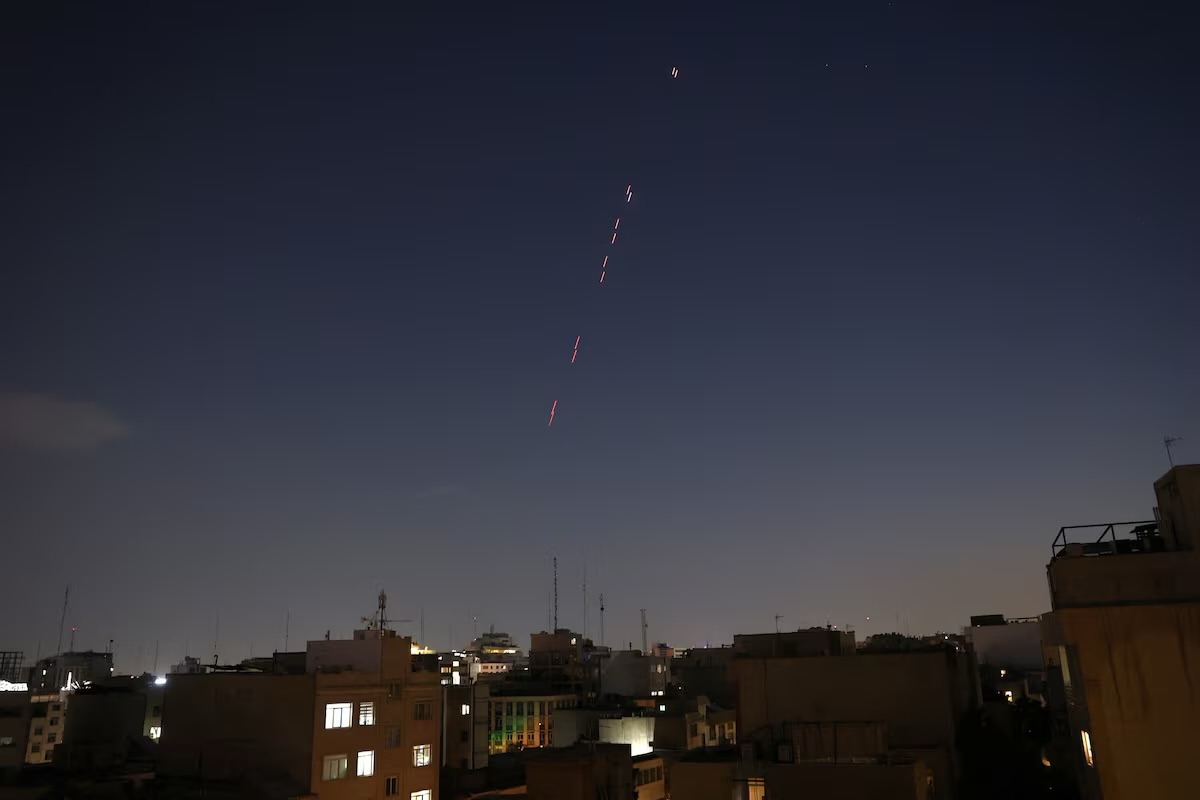

(Vietnam Insider) – Iran fired a final wave of missiles at Israel in the final hour leading up to a proposed ceasefire deadline announced by U.S. President Donald Trump, resulting in at least three fatalities, according to Israel’s national emergency service, Magen David Adom.
The strike came despite Trump’s earlier claims that both Israel and Iran had agreed to a U.S.-brokered ceasefire intended to end the 12-day conflict. However, Iranian Foreign Minister Seyed Abbas Araghchi firmly denied that any such agreement had been reached.
“As of now, there is NO ‘agreement’ on any ceasefire or cessation of military operations,” Araghchi wrote on X (formerly Twitter) at 4:16 a.m. Tehran time. “However, if Israel halts its aggression no later than 4:00 a.m., we have no intention to continue our response afterwards.”
Despite Iran’s stance, President Trump appeared confident in the ceasefire.
“On the assumption that everything works as it should, which it will, I would like to congratulate both countries, Israel and Iran, on having the stamina, courage, and intelligence to end what should be called ‘THE 12-DAY WAR,’” he posted on Truth Social.
Israel has yet to officially acknowledge or confirm its acceptance of the ceasefire timeline proposed by Trump.
Pre-Strike Warning and Regional Impact
Earlier, Trump thanked Tehran for providing the U.S. with advance notice of a missile strike targeting Al Udeid Air Base in Qatar, which allowed for emergency measures to prevent casualties.
“The early warning made it possible for no lives to be lost, and nobody to be injured,” Trump wrote.
Following the attack, the U.S. Embassy in Doha lifted its shelter-in-place order, and Qatar reopened its civil airspace just six hours later, signaling a quick return to operational normalcy.
Markets React Calmly to De-Escalation Hopes
Financial markets responded positively to signs of de-escalation. U.S. stock indexes closed higher on Monday, buoyed by investor optimism that Iran’s retaliation would be contained and would not trigger a wider conflict.
Oil prices also fell, easing concerns that the crisis might disrupt shipping through the vital Strait of Hormuz — a key chokepoint for global energy supplies.
Looking Ahead: Negotiations Expected to Be Challenging
While the immediate military confrontation may be winding down, former U.S. Secretary of Defense Mark Esper warned that diplomatic negotiations with Iran will be difficult.
As the situation develops, all eyes remain on whether the ceasefire holds and whether long-term peace efforts can follow in one of the Middle East’s most volatile flashpoints.
Related
Discover more from Vietnam Insider
Subscribe to get the latest posts sent to your email.
Source: Vietnam Insider