

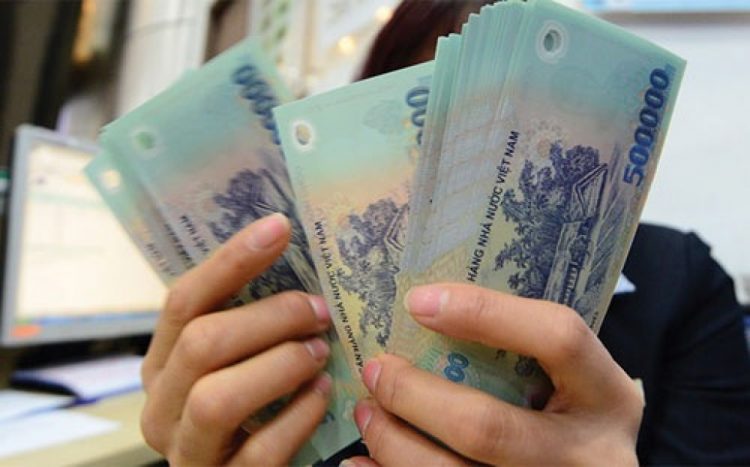

From hoarding gold to avoiding debt, many expats in Vietnam are shifting their financial mindset to match local values.
When James Carter, a 34-year-old Briton, moved to Hanoi two years ago to work as a business manager at a tech company, one of his earliest surprises was how many Vietnamese families owned gold.
“Gold is king here. It’s a condensed form of wealth, like insurance against uncertainty,” James recalled, speaking about the financial secret he uncovered in 2023.
As he became closer to his Vietnamese colleagues and friends, he was invited to their homes and discovered more. One friend showed him a drawer full of envelopes labeled with clear purposes: Lunar New Year gifts, emergency fund, money for parents, or saving for a new fridge.
James compared it to old-school budgeting—no spreadsheets, but remarkable discipline.
“They don’t need Excel—they know exactly where every đồng goes,” he said.
A Cultural Clash Around Money
Later, James began dating—and eventually married—a Vietnamese woman. It was then that he fully encountered the Vietnamese philosophy of cautious spending. Big purchases were carefully planned, only made when absolutely necessary and financially feasible. Borrowing money was a last resort, and usually only from friends or family.
“Vietnamese people are very afraid of debt,” James observed, contrasting it with his UK experience where credit cards, auto loans, and ‘buy now, pay later’ are common ways to stretch one’s lifestyle.
His more risk-tolerant, debt-leveraging approach to money often clashed with his wife’s cautious mindset. When he proposed investing in a UK startup, her calm response included three pointed questions:
“What if it fails? How long to recover the investment? Would you be proud to tell our kids about it later?”
That moment marked a turning point. James began reflecting more on how Vietnamese people—with often modest incomes—could afford homes, care for aging parents, and invest in their children’s future.
“It’s not how much you earn, it’s how much you keep,” he concluded.
He decided against buying a new car, noticing that even his wife’s family still used reliable old motorbikes. Eventually, they used the money to buy a small plot of land on the outskirts of Hanoi—a low-key but strategic move.
“It felt right. Very Vietnamese,” James said.
He also found himself comparing expenses:
“Why pay $10 for a sandwich when a bowl of phở is $2, tastier, and filling?”
James isn’t alone. Many expats say their financial behavior changes after spending time in Vietnam.
Culture, Scarcity, and Financial Conservatism
According to a Navigos Group report, 50% of foreigners in Vietnam experience culture shock—and 20% of that relates to financial differences. Only 7% of Vietnamese adults have credit cards (Statista, 2023), and 64% avoid borrowing even in financial hardship (World Bank).
William Gray, a financial advisor at Infinity Financial Solutions in Hanoi, says Vietnamese financial behavior is shaped by history and culture.
“The family safety net is crucial here. People save not just for themselves, but to support relatives. Many avoid high-interest loans by borrowing from family,” he explained.
He noted that the lingering memory of rationing and scarcity from past decades has created a strong risk-averse mindset, with a preference for physical assets like gold and real estate. Retirement planning often takes a back seat to investing in children’s futures.
William, who has lived in Vietnam for 8 years, was amazed by how much locals saved despite modest incomes. But he also cautions that this conservatism can hinder long-term financial planning.
“Cash is great for emergencies, but long-term wealth needs to be in appreciating or income-generating assets.”
Still, most Vietnamese tend to channel savings into real estate, which can be speculative and illiquid.
Adapting to Local Wisdom
For some foreigners, the change is dramatic.
Liam Ward, 30, and his Vietnamese girlfriend in Ho Chi Minh City, once argued about their savings plan. Liam thought they should save for travel; she insisted it was a “buffer” in case of illness or job loss.
“We had very different financial mindsets,” he said.
They eventually compromised—by buying and storing gold at home, a habit Liam found odd at first.
“In the West, gold is difficult to liquidate quickly,” he said.
But after several gold price surges in late 2024 and early 2025, he changed his mind.
“Turns out it’s a very efficient and stable form of investment here. Many Vietnamese use it to accumulate wealth.”
Related
Discover more from Vietnam Insider
Subscribe to get the latest posts sent to your email.
Source: Vietnam Insider