

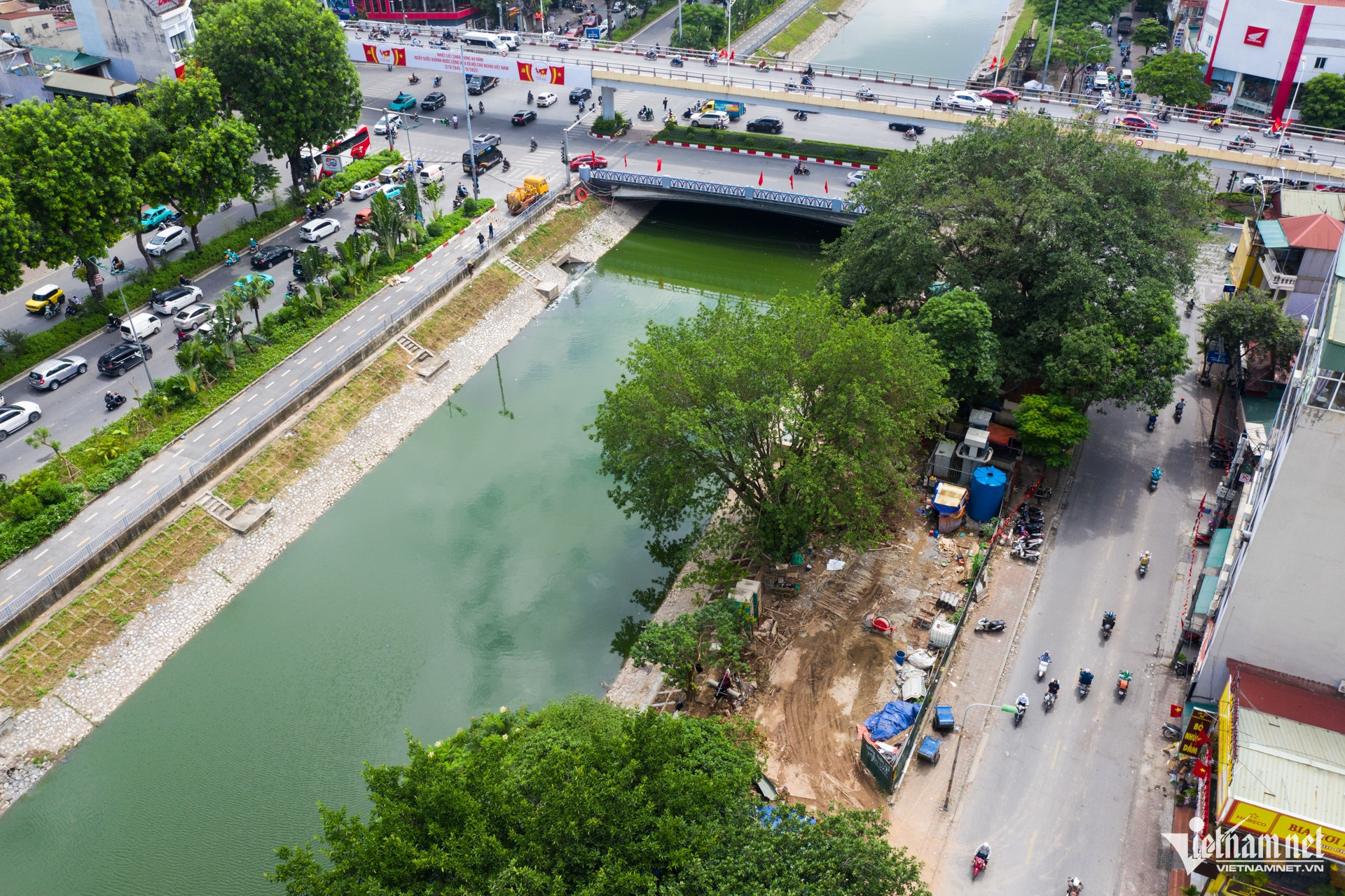

Hanoi is set to begin construction of a riverside park along the To Lich River, a long-polluted waterway that has been part of the capital’s cultural and historical identity for centuries. Locals are expressing high hopes that the project will revive the river, creating a cleaner, greener, and more livable urban environment.
Part of Hanoi’s Major Development Projects
The Hanoi People’s Committee recently approved a list of eight key projects scheduled to launch during celebrations of the 71st anniversary of the city’s Liberation Day (October 10, 1954 – October 10, 2025). Among them is the To Lich River Park Project, aimed at transforming the riverbanks into an ecological corridor, cultural landmark, and public recreation space.
On September 20, treated water from the Yen Xa wastewater treatment plant began flowing into the river, with a capacity of around 200,000m³ per day. Earlier, on September 9, water from West Lake was redirected through a separate pipeline to further improve the river’s quality.
Citizens Welcome a Long-Awaited Transformation
For decades, the 13-km To Lich River has been associated with heavy pollution, foul odors, and environmental decline. The announcement of a riverside park has therefore been warmly welcomed by residents.
Nguyen Van Dung, a long-time resident of Cau Giay, shared:
“Living near the To Lich River, we’ve endured pollution for years. Now that the city is improving the water quality, we are eager for the park project to start so our living environment can finally be more pleasant.”
Another local from Hoang Mai District noted that the project could significantly improve urban life:
“If properly executed, this park will provide a continuous green corridor stretching for kilometers, delivering long-term benefits for the capital.”
Design Expectations: Clean, Accessible, and Community-Focused
Citizens have suggested practical design ideas such as wide sidewalks, tree-lined paths, pedestrian walkways, seating areas, lighting systems, and community playgrounds. Some even hope the riverbed can be reshaped to look more natural and aesthetically pleasing.
Thanh Huong, another Hanoi resident, highlighted the potential cultural and tourism value:
“Reviving To Lich River would be wonderful for the city. It will give people a place to relax while also becoming a tourist attraction, similar to how Japan and South Korea restored their once-polluted rivers.”
Experts Call for Sustainable Planning
Urban planning experts emphasize that while the park project is promising, careful design and community engagement are crucial.
Dr. Dao Ngoc Nghiem, Vice Chairman of the Vietnam Urban Planning and Development Association, noted:
“This is a positive step, but authorities should consider lessons from past projects, especially those proposed by Japan. The To Lich River should be restored in a way that respects history while ensuring sustainable urban development.”
Safeguarding Public Space
Many citizens stressed the importance of maintaining the park as a true public green space—free from excessive commercial development such as restaurants, shopping centers, or private venues.
Pham Thi Hanh from Thanh Xuan expressed:
“We hope the city keeps the park public. It should remain a place for walking, exercising, and community activities, not commercial exploitation.”
Toward a Greener Future for Hanoi
The To Lich River Park Project represents not only an environmental initiative but also a cultural revival for Hanoi. If executed with transparency, sustainability, and strong community involvement, it could become one of the capital’s most iconic green spaces—bringing fresh air, beauty, and pride back to a river once considered “dead.”
Related
Discover more from Vietnam Insider
Subscribe to get the latest posts sent to your email.
Source: Vietnam Insider